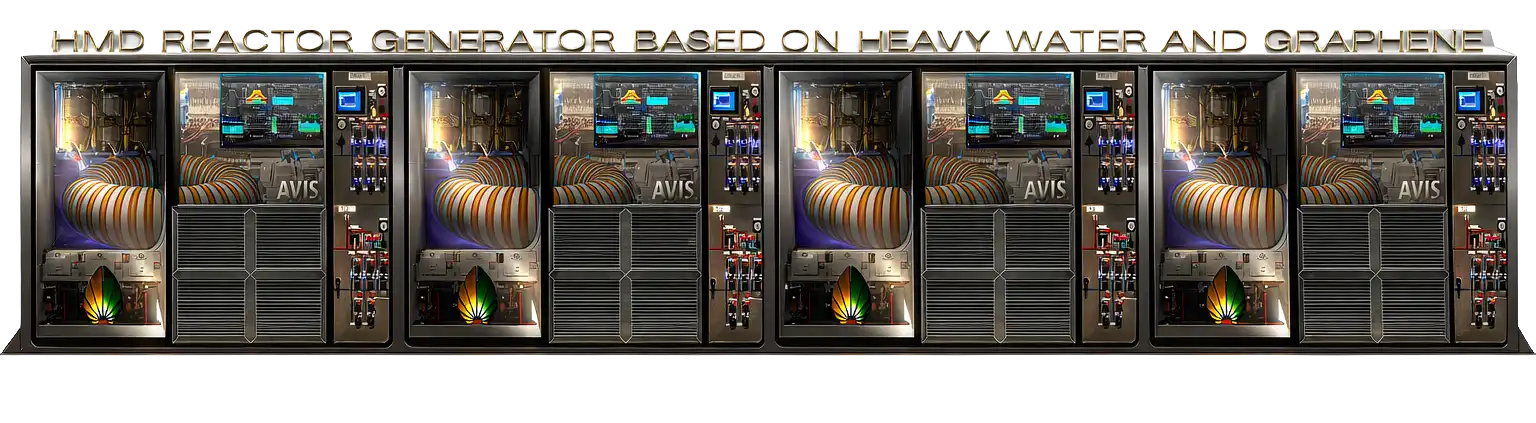
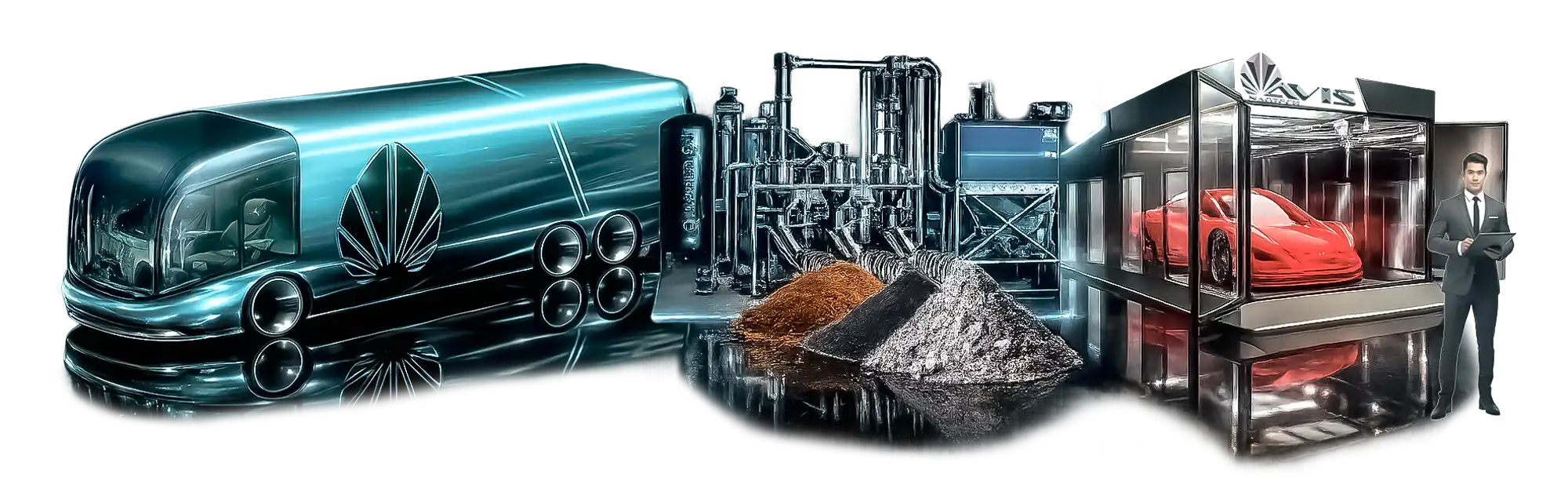
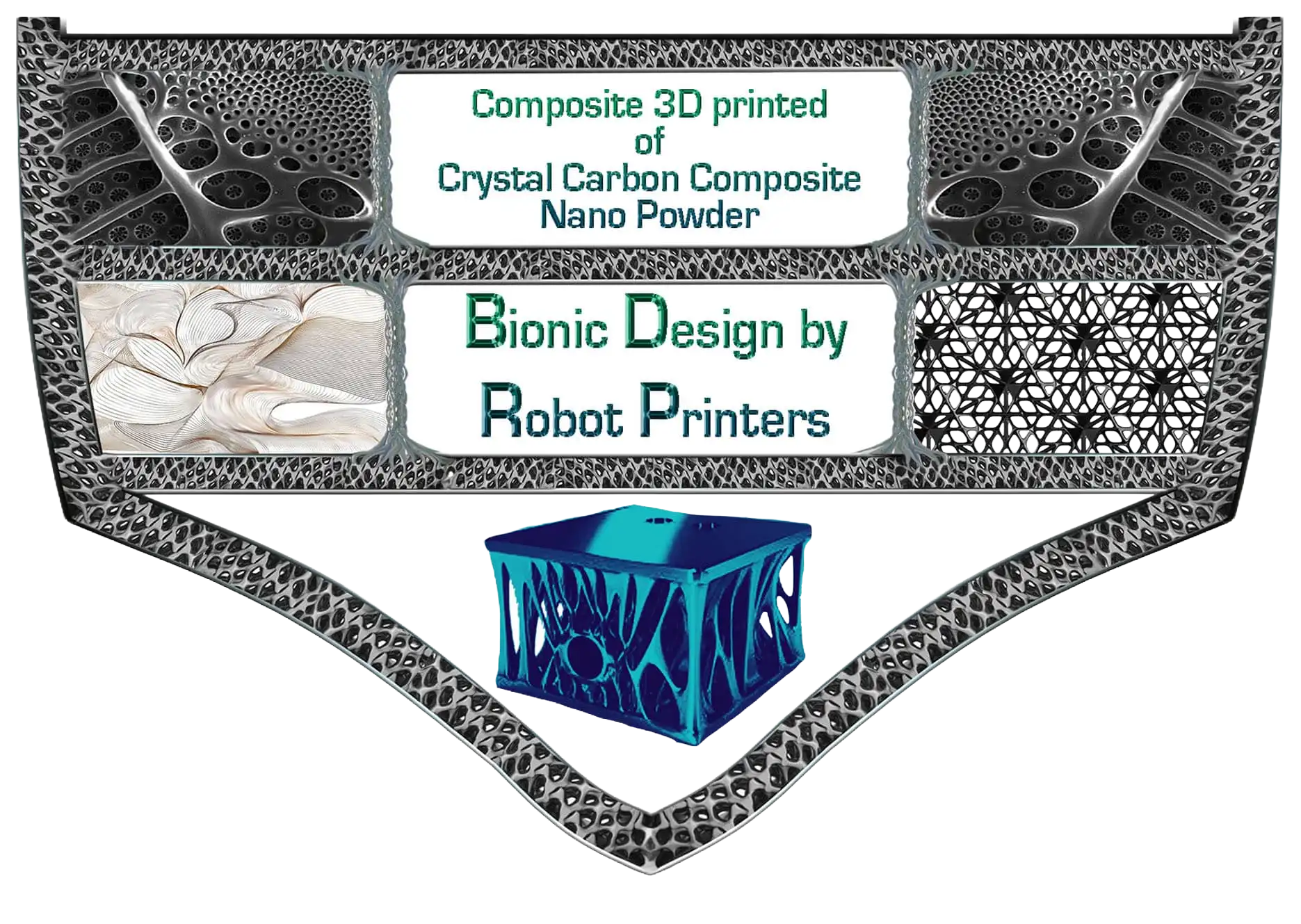
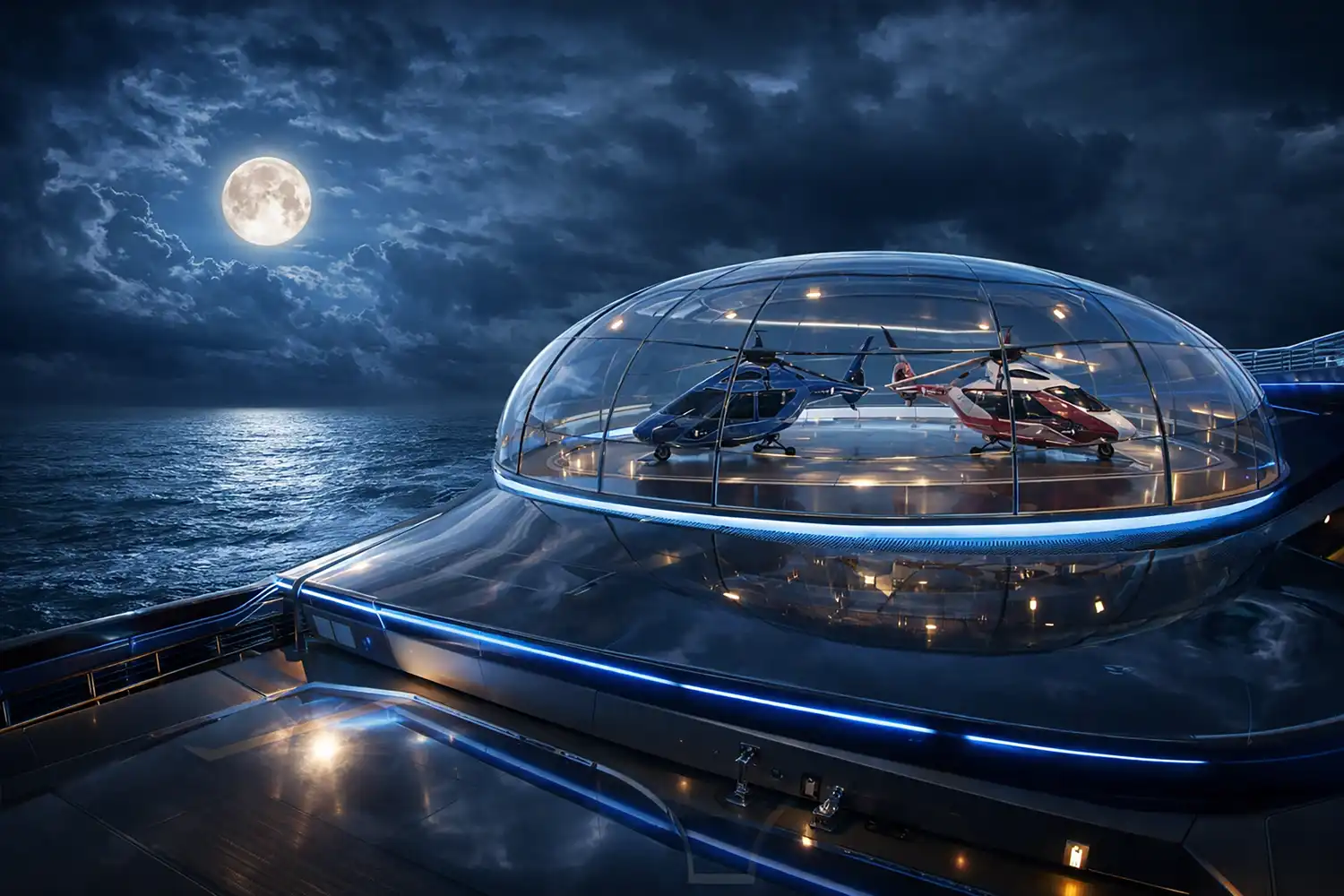
Carbon graphene recycled from waste into nanopowder
300 times stronger than steel (10% by weight)
Read more about
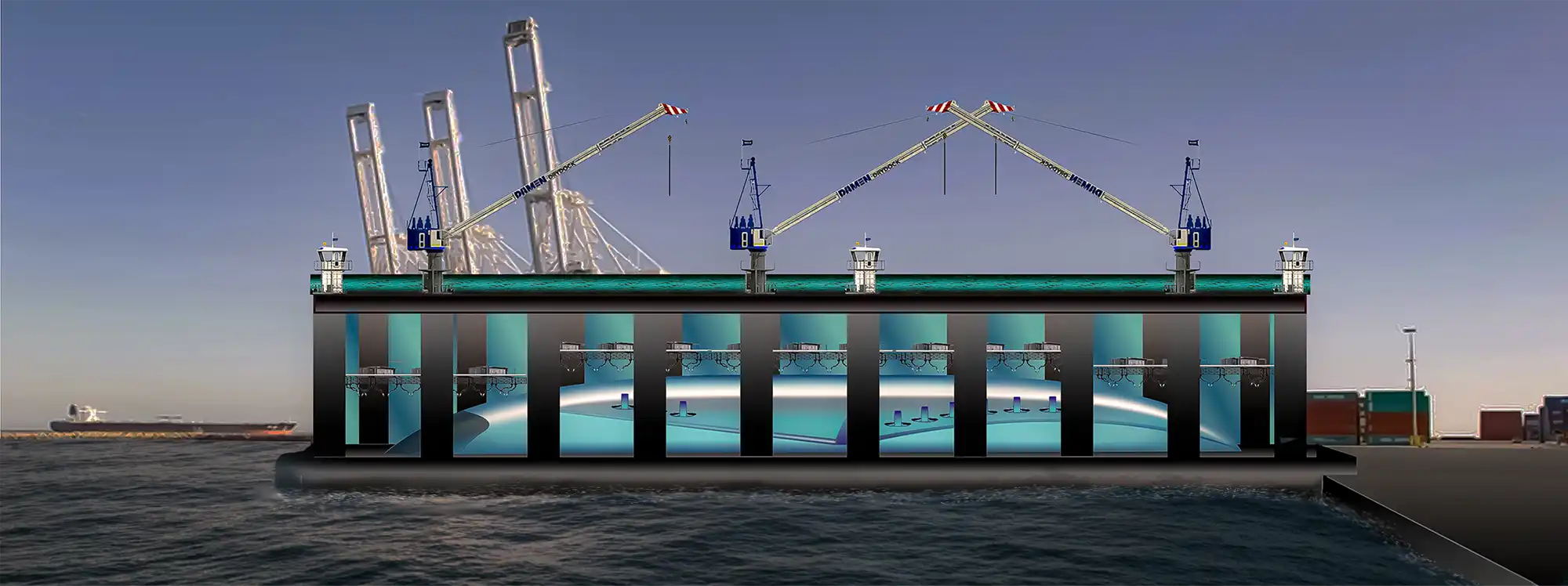
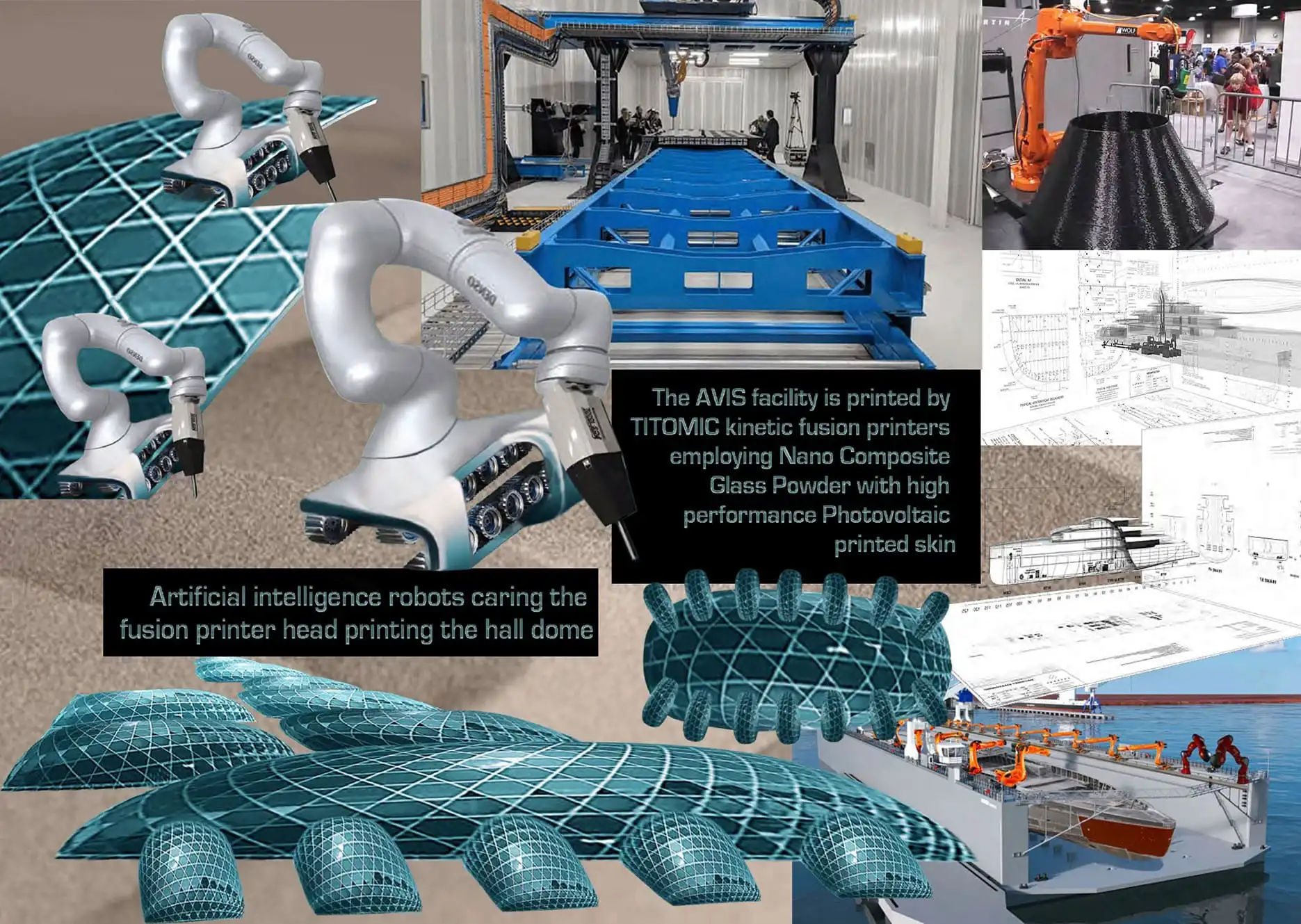
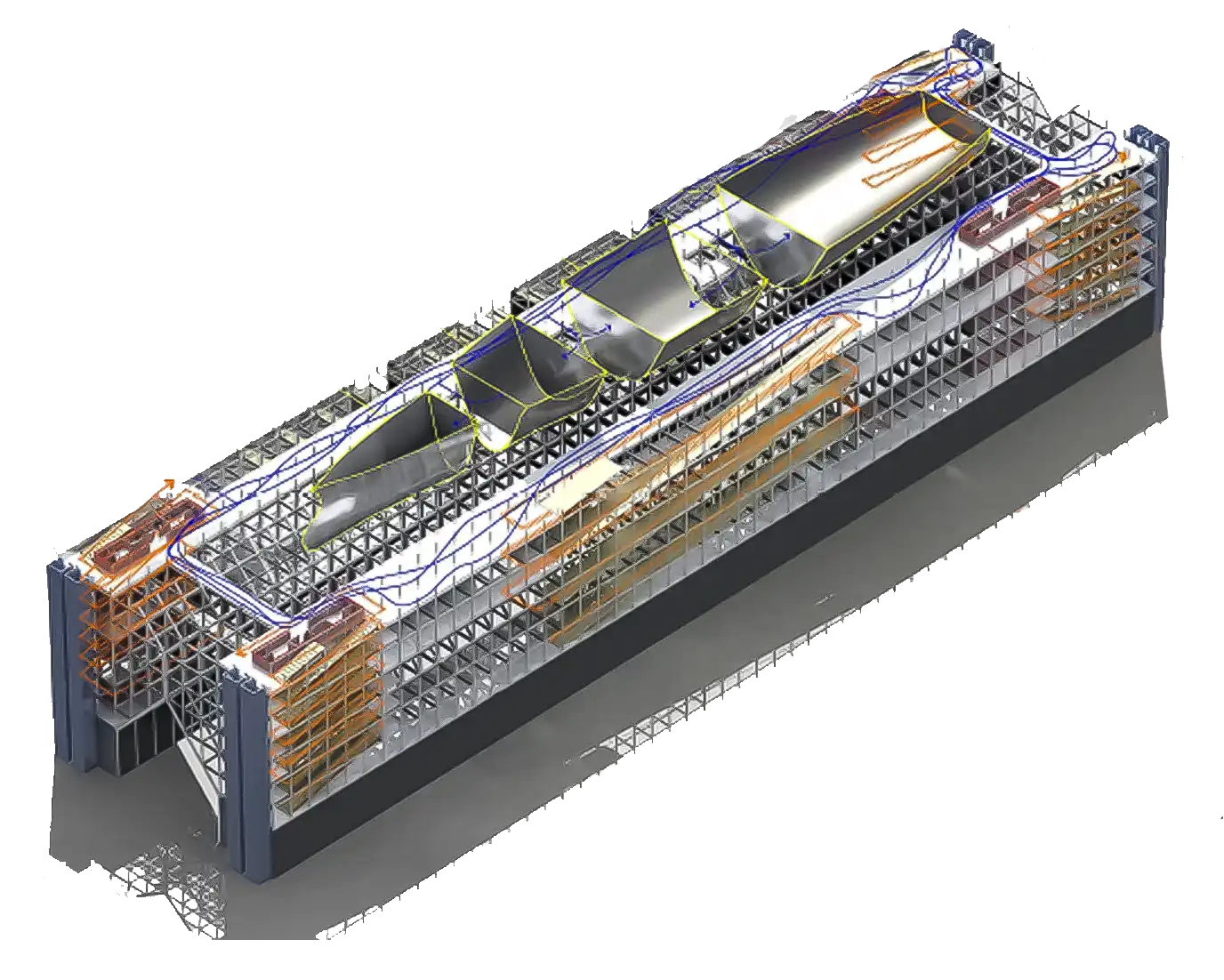
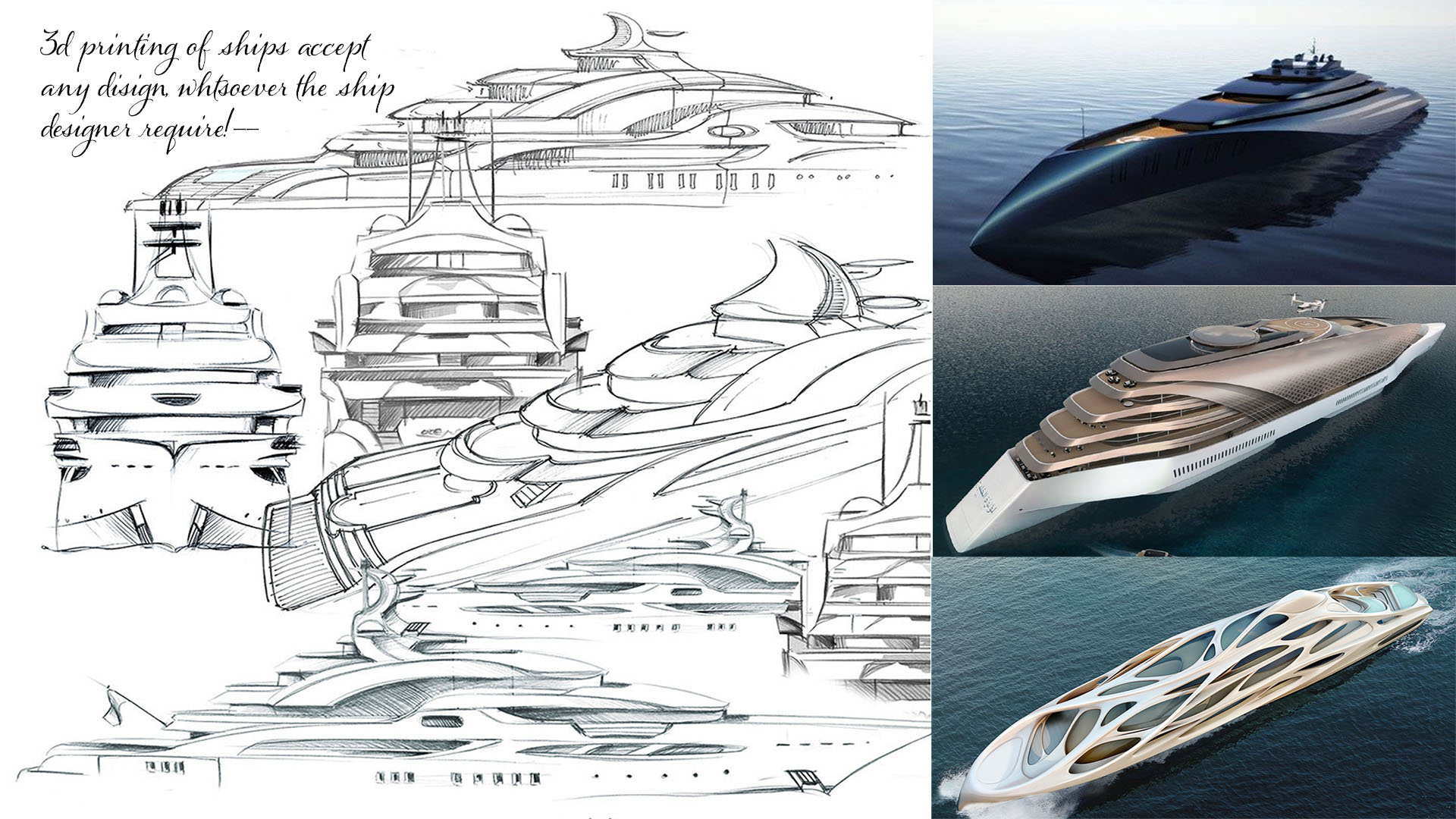
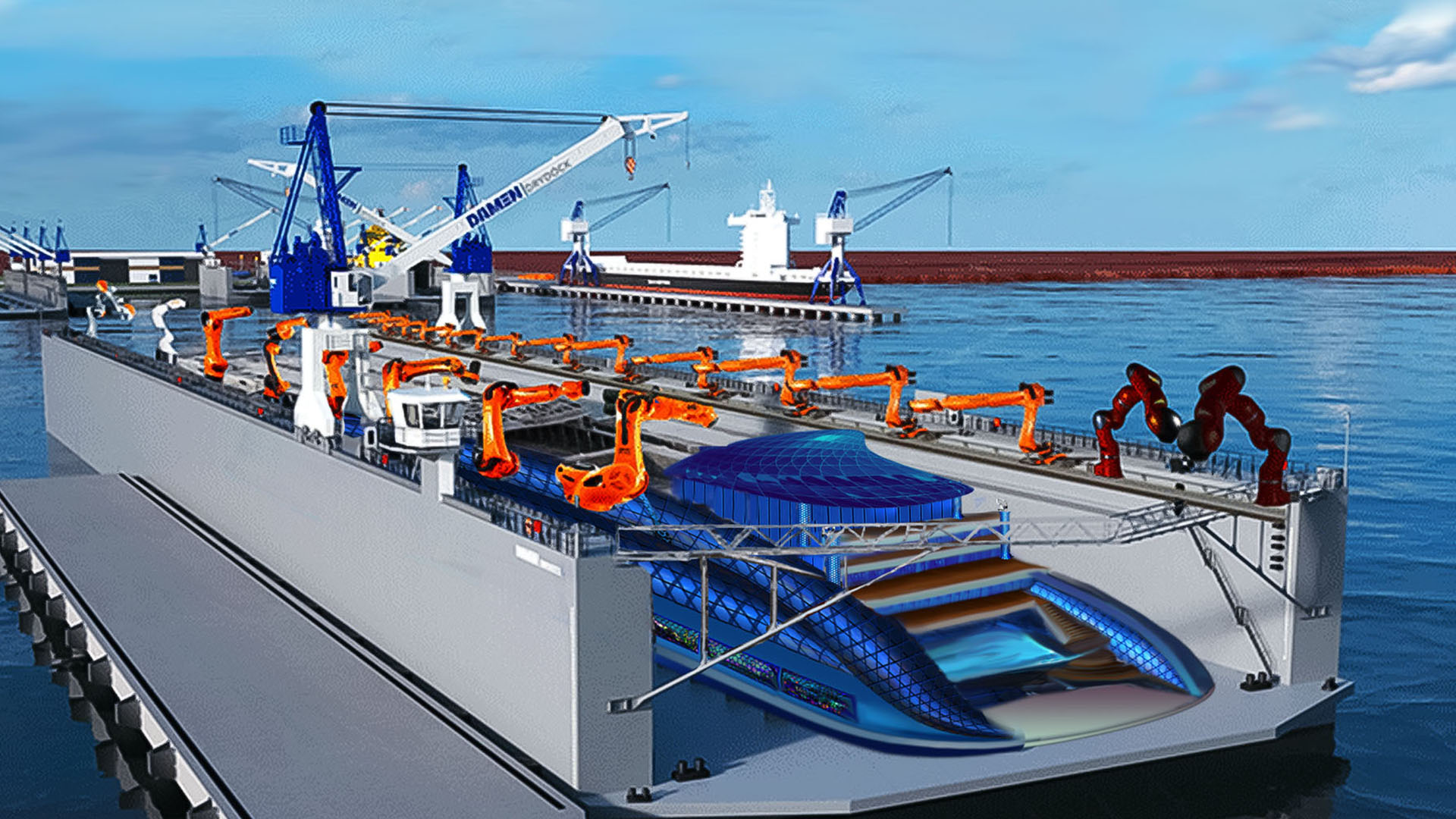
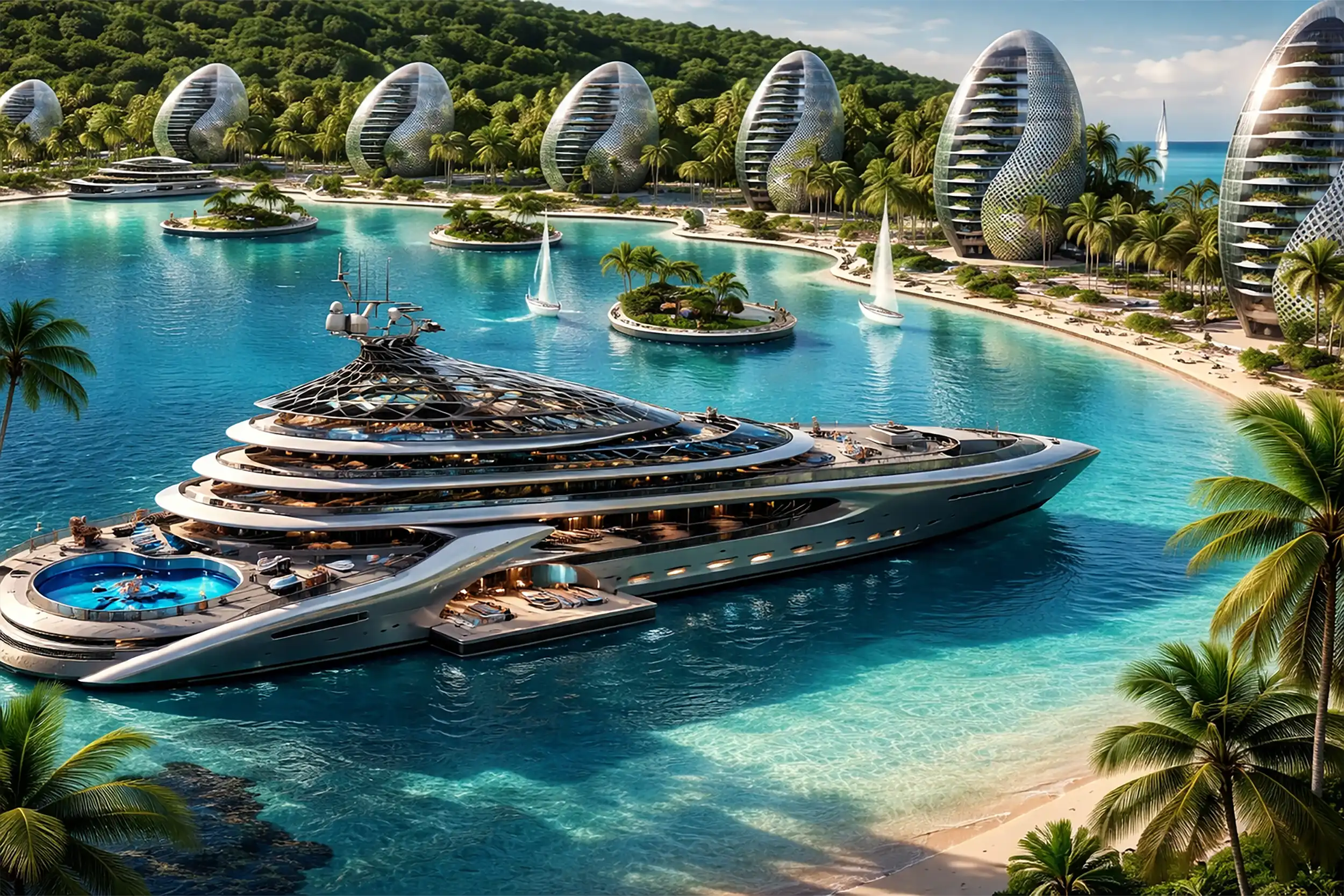
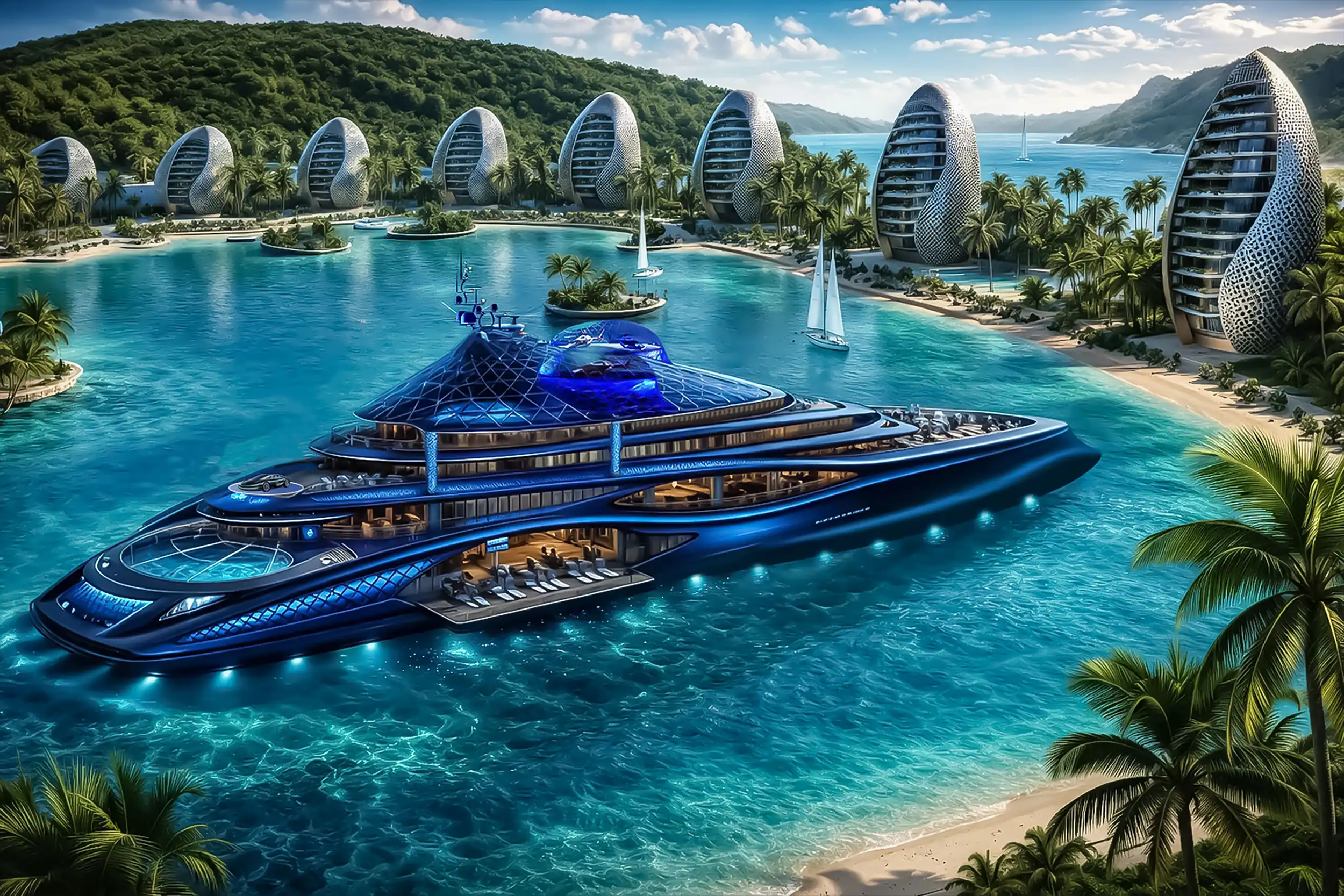
A project in collaboration with a qualified hull designer in Spain and international engineering teams, supported by university structures and 3D robots from the kinetic fusion printing industry
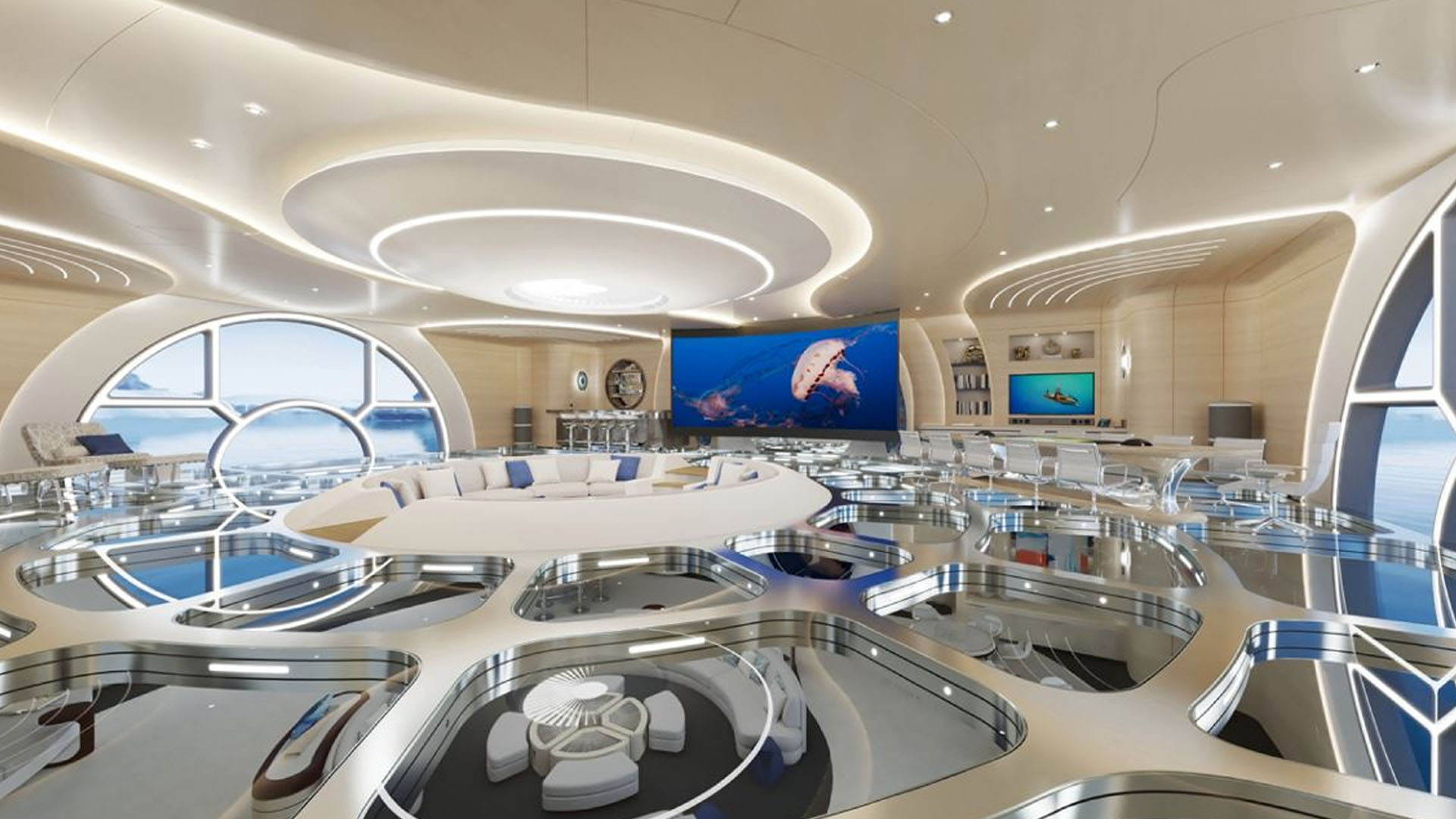
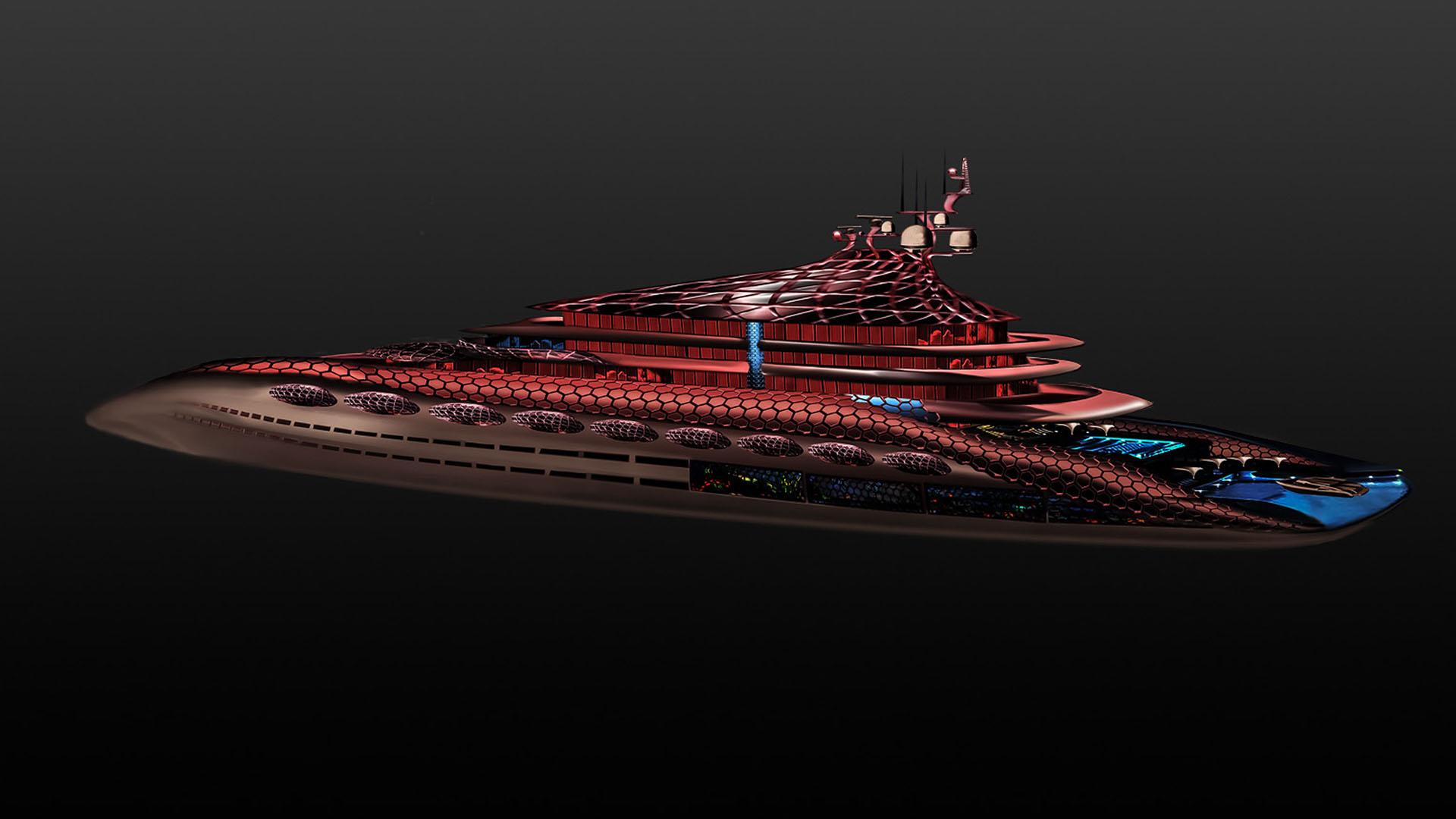
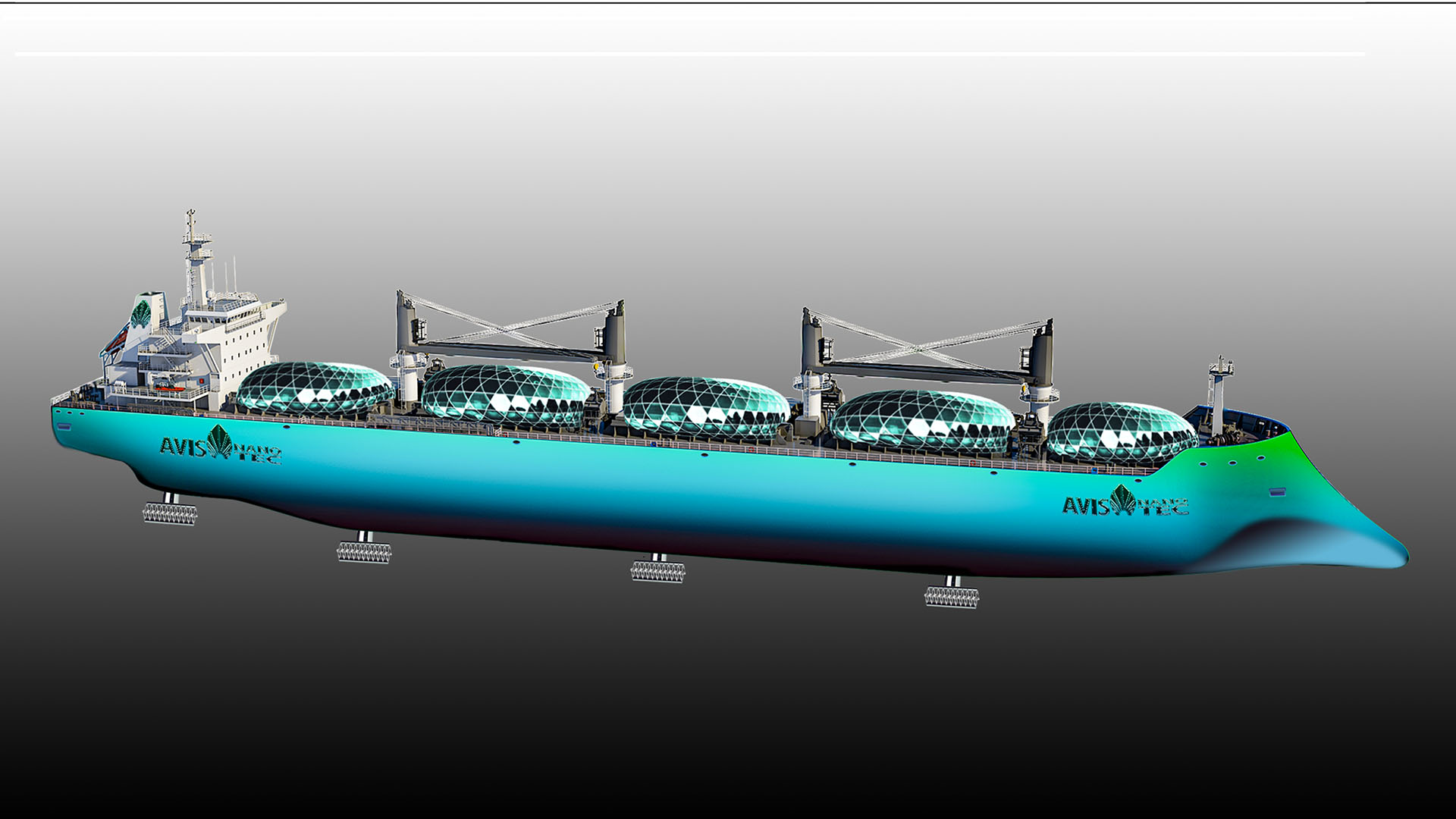
ConQUEST II is a revolution in the ship construction industry. Applying our core expertise in nanotechnology and advanced materials to turn innovative ideas into commercial realities, we're merger constant and franchise with the world’s best organisations, brands and manufactures, inventors and universities to bring advanced materials to life.
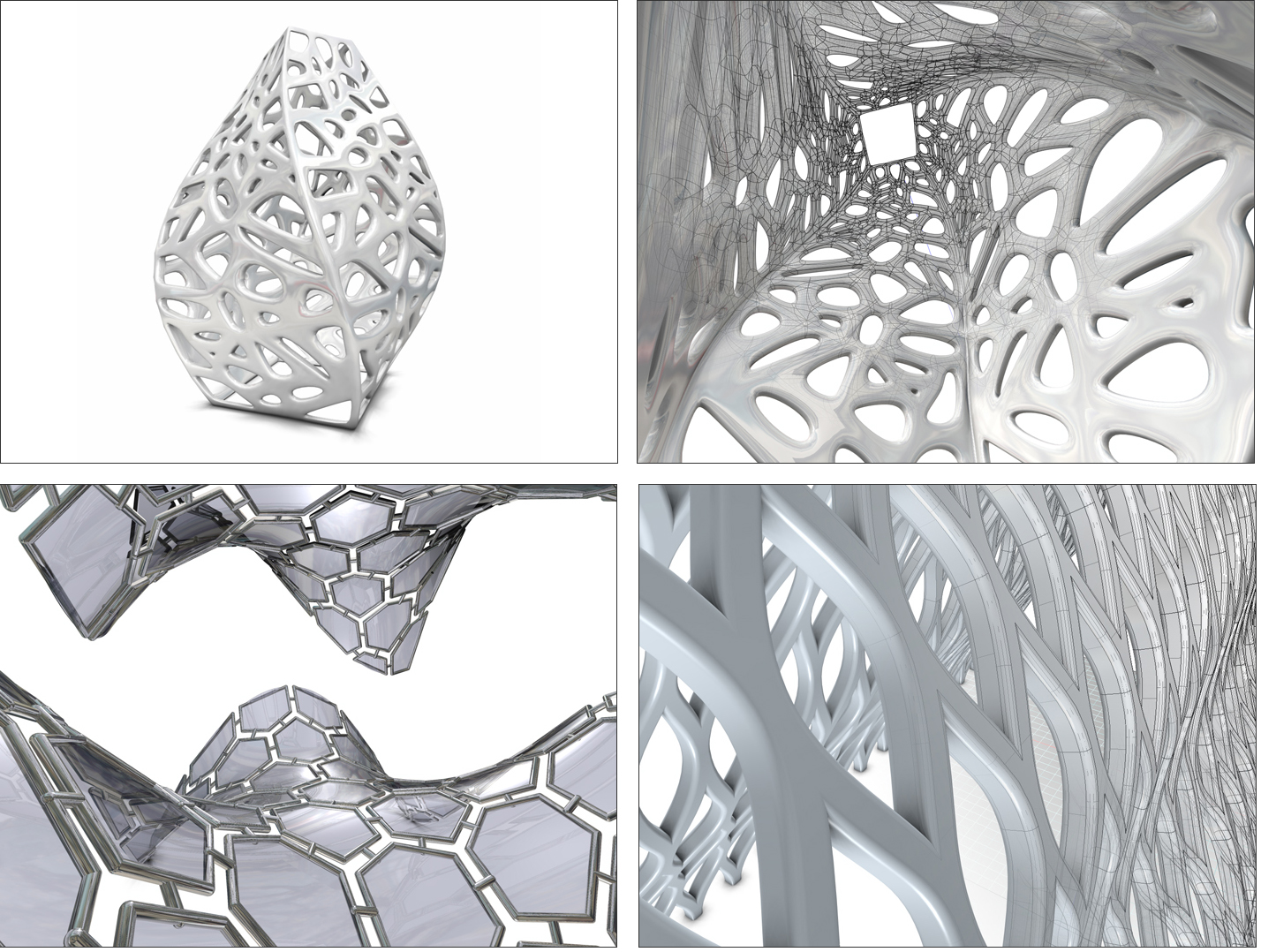
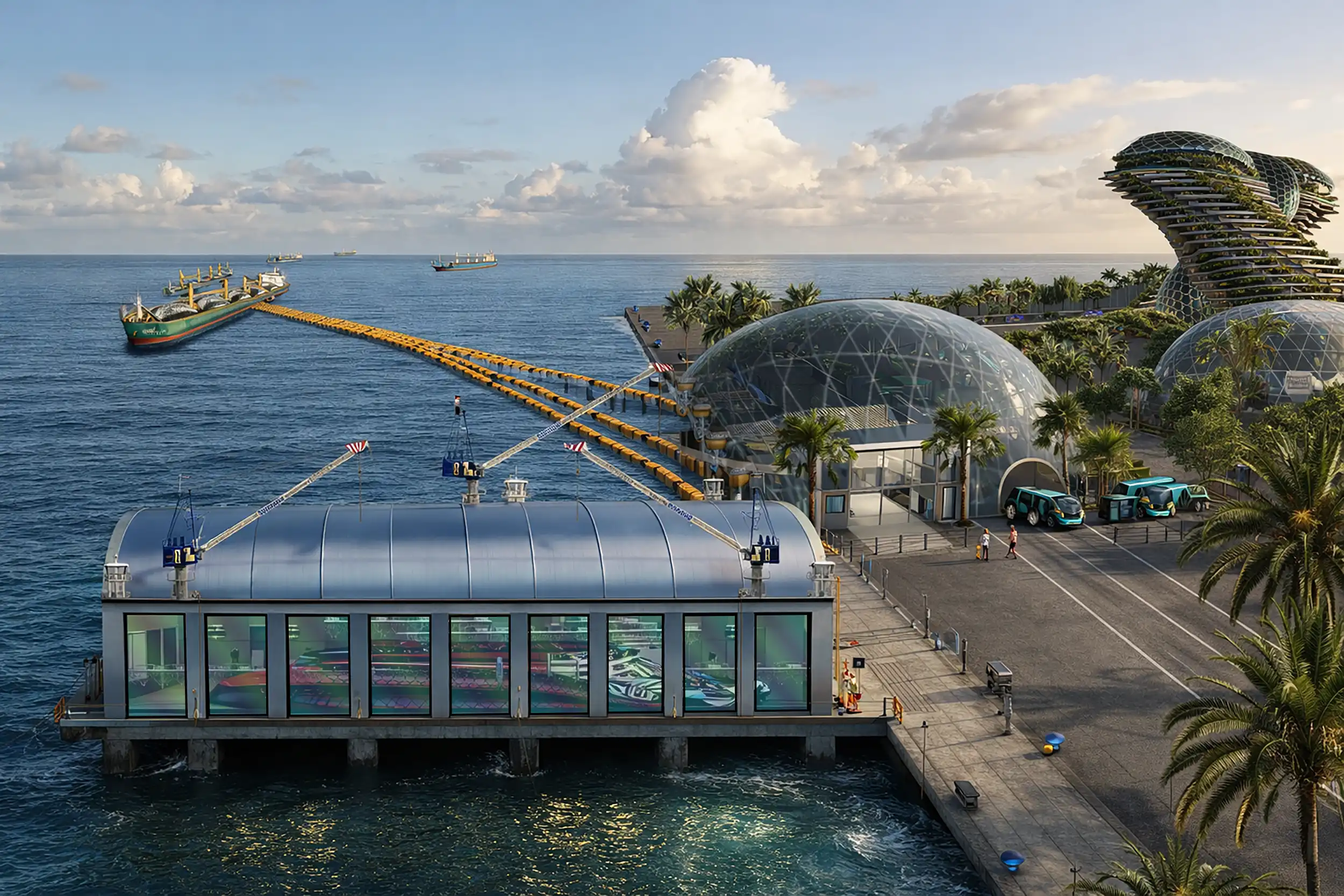
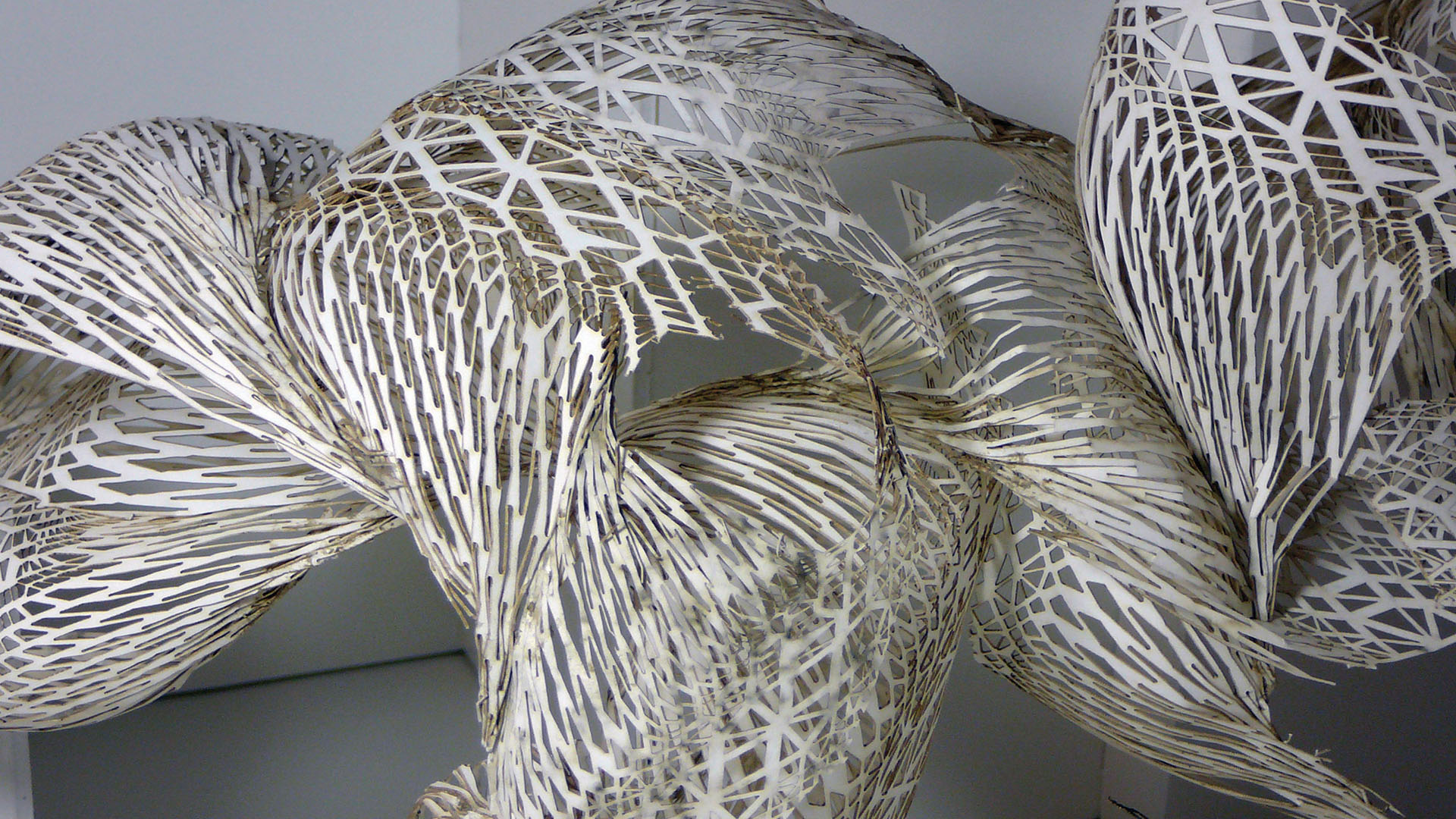
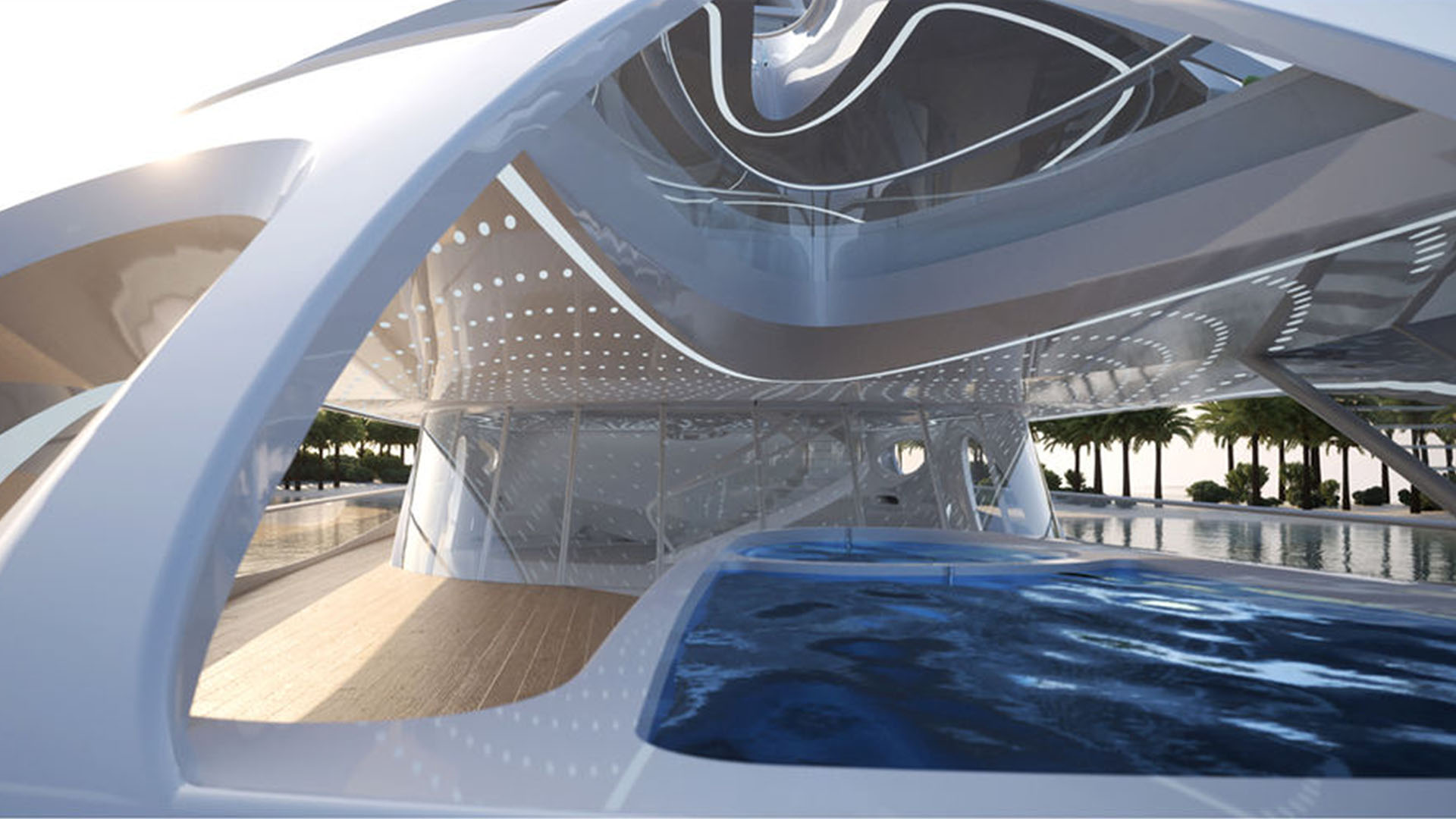
Bionic architecture takes inspiration from the physiological, behavioural, and structural adaptations found in living organisms. By studying and emulating the ways in which biological systems respond to internal and external forces, architects aim to create buildings that are not only aesthetically striking but also self-sufficient and responsive to changing environmental conditions. These structures are designed to be adaptable and ConQUEST accumulate all the structure in response to factors like weather, temperature fluctuations and powerful oceanic water conditions.
Bionic architecture emerged in the 1990s as a movement that drew inspiration from the fields of biotechnology and cybernetics, as well as from natural systems and processes. It built on the concept of biomimicry, which uses natural forms and processes as inspiration for design, and took this approach a step further by seeking to replicate the efficiency, resilience, and adaptability of natural systems and processes in the design of buildings. Bionic architecture relies heavily on advanced technology and engineering, including digital simulation tools, 3D printing, and biomimetic materials such as nano powder graphene composite. As pioneers in advanced and 2D materials engineering, AVIS pairs subject matter expertise with proven commercial acumen to help tackle some of the most important challenges we face.





-8.webp?1772329778964)