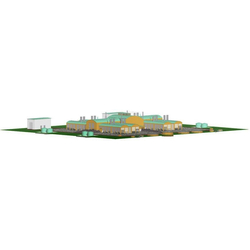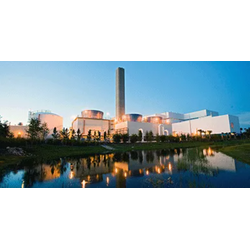
Spain 3D Printer Centre
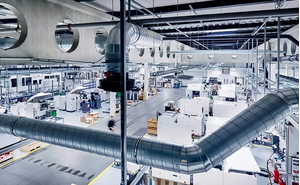
€2.000.000.000 AVIS Group reserved
For the adjective production center in the South of Spain. The genuine start of “PHASE 1” will be in the first week of June 2022.
3D printing is a manufacturing process that produces objects in accordance to a 3D digital model. By using a 3D printer and adding material layer by layer, such as plastics and metals, complex objects can be produced both rapidly and at low cost, in short runs or as one-of-a-kind parts. HP Multi Jet Fusion 3D technology enables customers to produce complex parts with controllable physical and functional properties at each point and provides speed, quality, and strength throughout the manufacturing process for a range of industries and applications.
How has 3D printing evolved over the years?
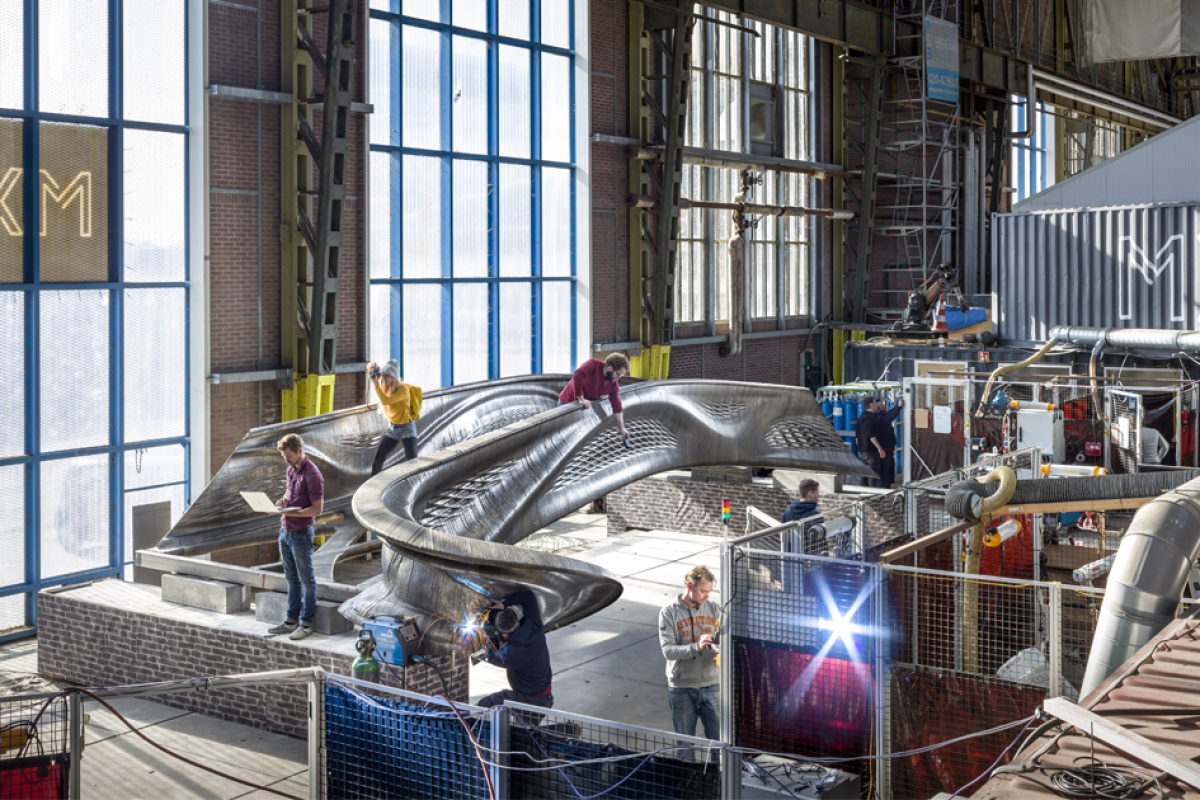 We’re on the cusp of the 4th Industrial Revolution, the place physical and digital technology will radically alter how companies conceive, design, produce, distribute and restore nearly everything. The accelerated global demand for sustainable preferences and customised products has resulted in a rush in demand for 3D-printed elements and products. Technological enhancements in the district have halved fees whilst turning in twice the performance. As the 3D printing quarter strikes past prototyping, use of this technology, mainly in supply chains, is becoming increasingly more widespread.
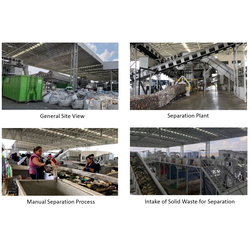
 In 2016, AVIS launched its “Nano-Powder” manufacturing challenge by way of municipal, industrial, and toxic waste material milling with the aid of VORTEX power. The powder after separation of its composites is the ideal economic input material in a new composite for the 3D printers.
As we see extra customers scale for manufacturing and similarly collaboration via a growing ecosystem of partners, the probabilities are growing for a new generation of manufacturing.
What are the current trends in 3D printing?
The rapid adoption of digital manufacturing in the form of manufacturing applications is a trend that we'll see, specially across the automotive, industrial and medical sectors. In the auto sector, we’ve viewed a multiplied focus on growing production-grade materials for auto applications as 3D printing gravitates from prototyping to full production of last parts and products. Additionally, as new platforms such as electric powered vehicles enter mass production, HP Metal Jet is predicted to be leveraged for applications such as the light weighting of totally safety-certified metal parts. Industrial 3D manufacturing additionally enables the automotive industry to produce applications in new ways that had been in the past impossible, along with the ability to format application-specific parts for man or individual or models.
What innovative technology have we seen being used with 3D printing?
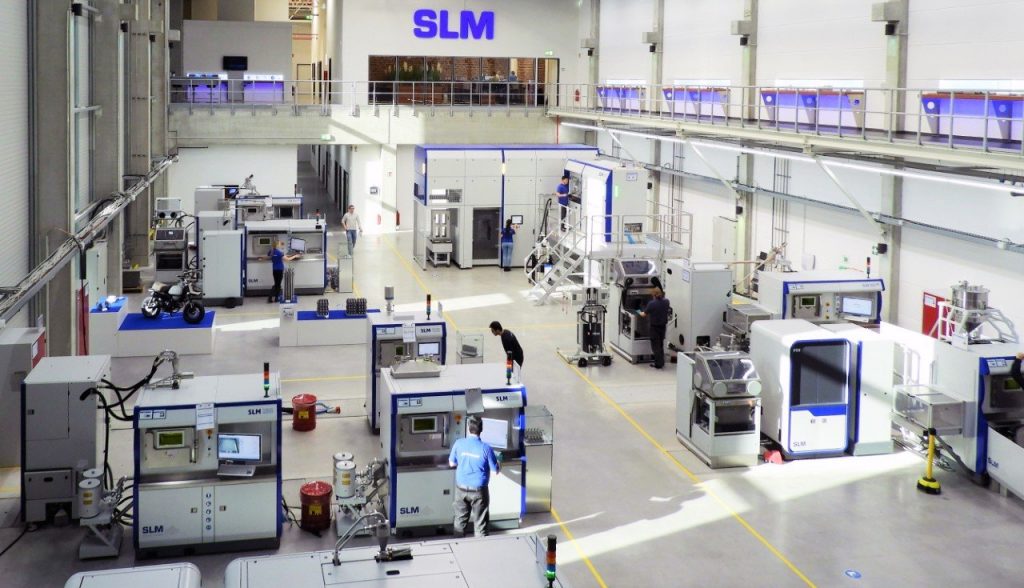 One clearly effective example of 3D printing we’ve viewed in the last few weeks is how 3D suppliers and digital manufacturers are coming together to help produce critical applications to help fight COVID-19. HP and its global network of companions and customers are printing essential parts such as ventilator valves, face mask adjusters and hands-free door handles - for local hospitals and healthcare vendors around the world.
Beyond how 3D is aiding the modern-day state of affairs at hand, we’ve seen infinite ways that the technology has been used – everything from customized prosthetic limbs, to parts that are used in cars, to invisible braces assisting people to gain their preferred smile.
Industries facing increased customer centricity when it comes to the services they provide, how can 3D printing help to drive customer centricity?
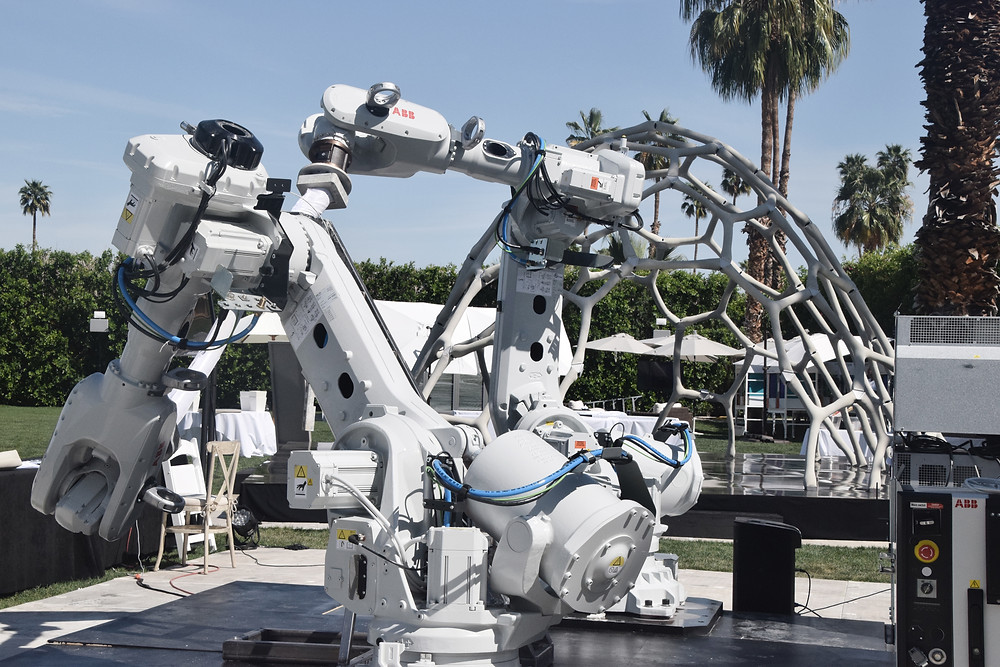 One of the main advantages of 3D printing is the potential to customise products and parts fully for the end user. This may additionally be in the shape of diagram preference, or it may want to serve a more sensible purpose, such as enhancing the suit or usability of a product. For example, 3D printing makes it convenient to personalize prosthetic limbs and shortens the manufacturing time from weeks to days, and it can deliver custom-fitted and individualized footwear, inclusive of insoles, through innovative 3D scanning, dynamic gait evaluation and manufacturing technologies.
How can 3D printing make manufacturing more agile?
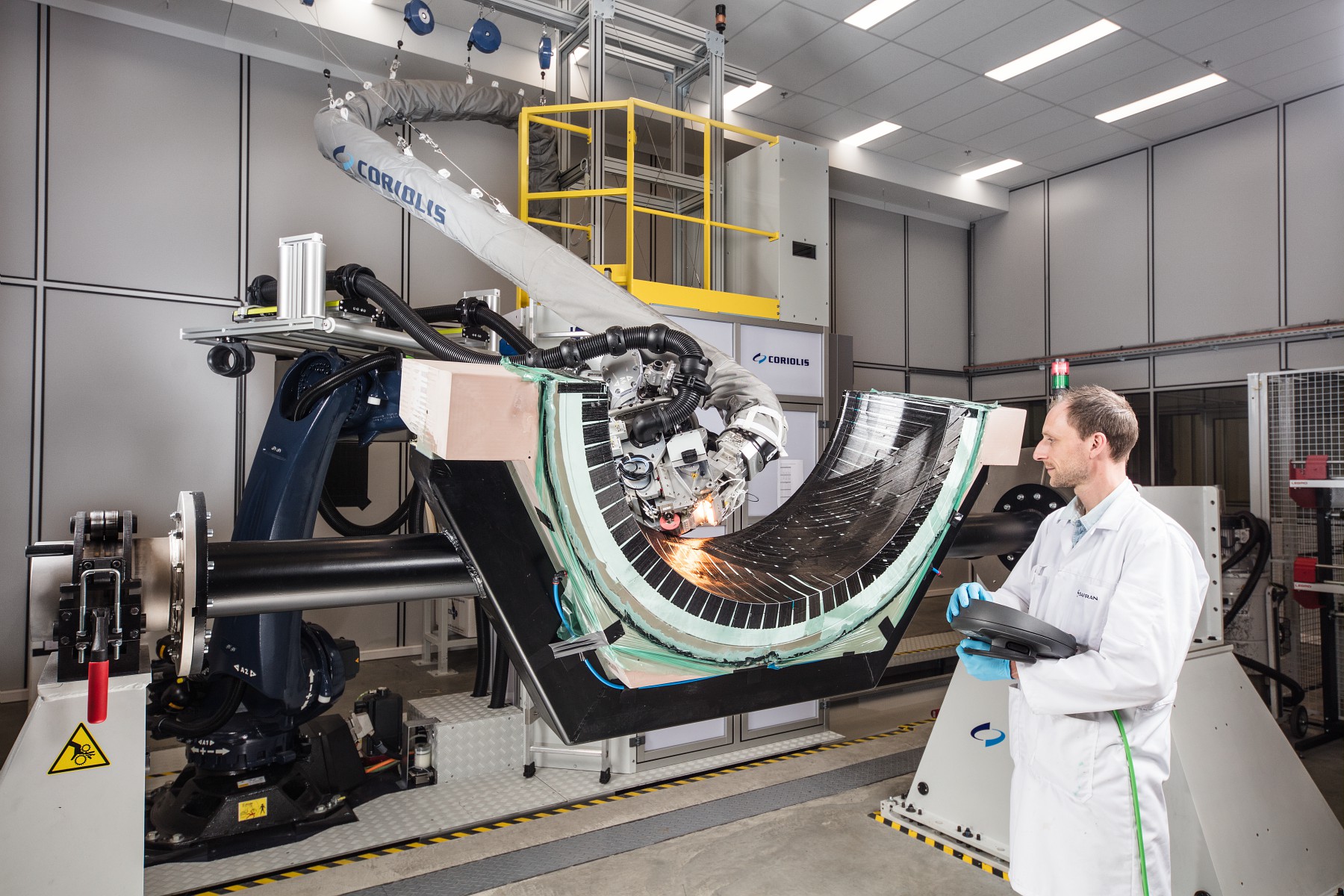 By permitting buyers to direct demand, 3D printing lends itself to accelerated furnish chain mobility, flexibility and adaptability, Finally, reducing expenses and waste. Companies no longer have to predict client demand by capability of enjoying on how a lot of a product they will sell; 3D printing ensures the infinite flexibility, as they are capable to print what they need.
AVIS GreenTec will produce in South of Spain
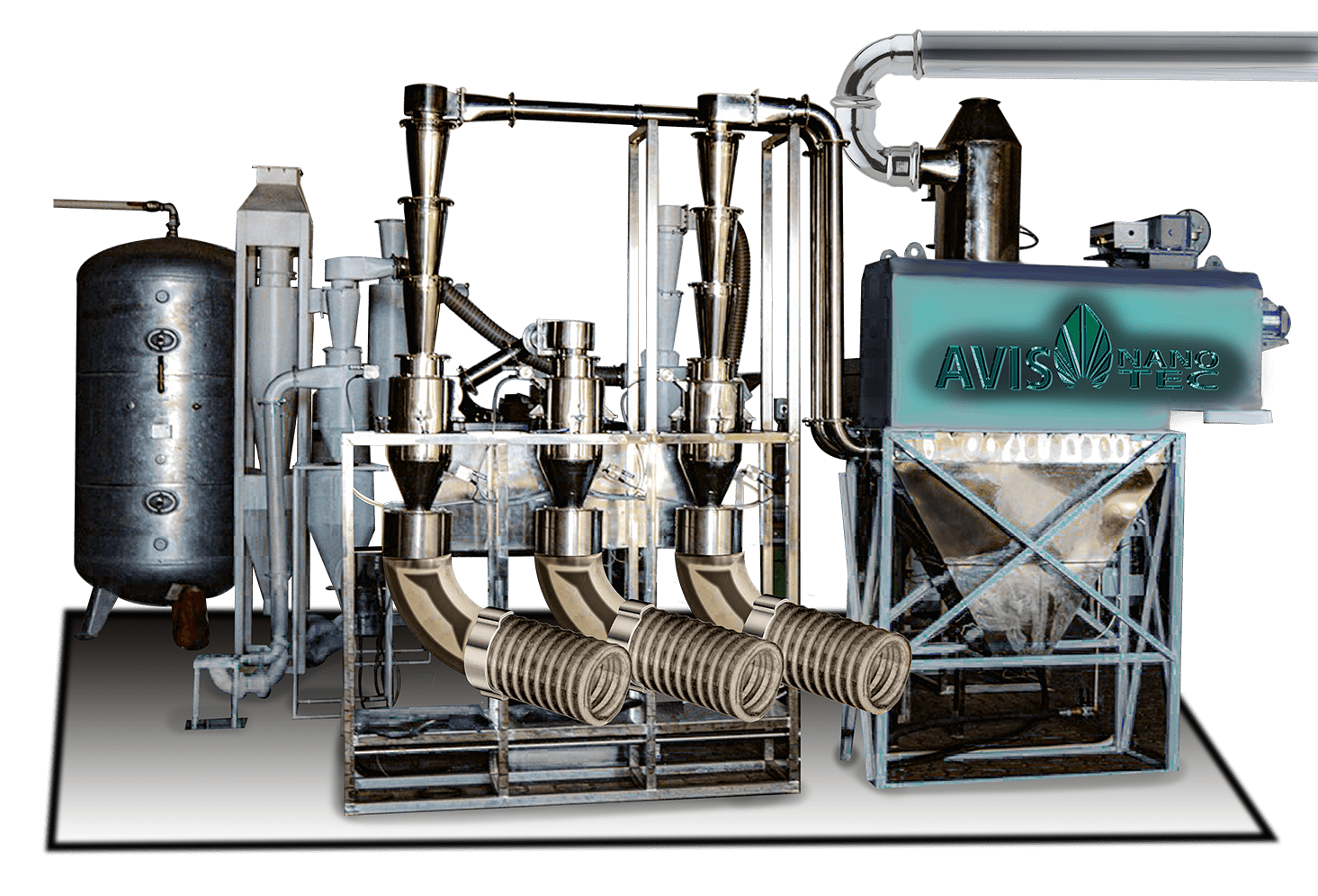
1) The VORTEX Mills
3D metal printers for the production of the VORTEX waste mills are the ingenious solution. Over the last 15 years, a dedicated AVIS team has developed a number of high-tech systems for the production of nano powders.
In the South of Spain, we have gathered all our technology franchise partners, inventors, and engineers to create a center for the prototyping and industrial production of the equipments we require for the worldwide construction of the AVIS Industrial Parks.
2) Reactor Based new Alternative Generators
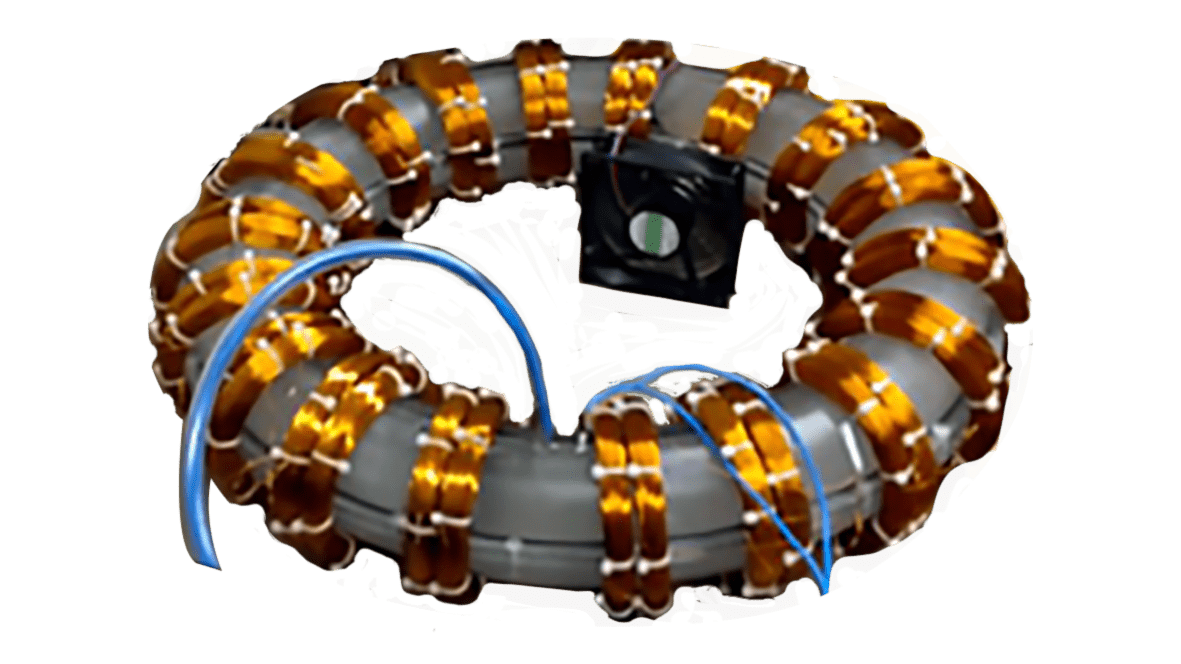
Many team participants of AVIS have been waiting years for the day. Their dream now comes to reality. We're imparting in a single region all they require for the completion of their prototypes. New type of reactors and heavy water ring reactors the team will push for going live as it's urgently needed for the introduction of small power centers.
Generators are powerful enough to power a building, a factory, vehicles like trains or airplanes.
Generators to supply safe and sustainable energy wherever needed.
The next Generation of Reactors
Phase 2, the Atom Battery "NucTron"
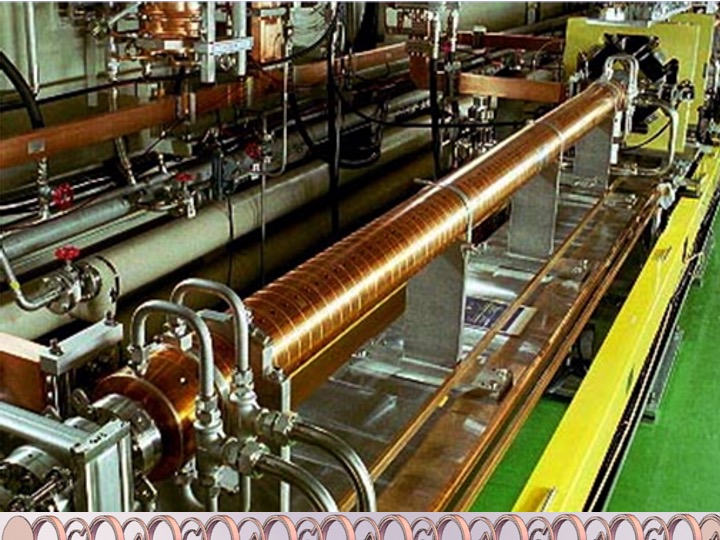
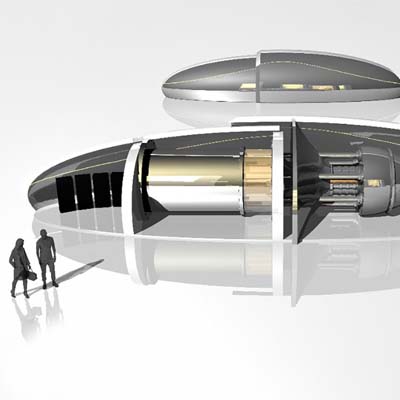 Further €2.000.000.000 will AVIS invest for AVIS NucTron PLC, with a hundred and twenty heads Russian team for a modern-day atom-reactor technology. The system is the ultimate answer for the manufacturing of electricity through appoint of Uranium 238 and Thorium-232. The reactor can convert nearly all radioactive waste that is excessively polluting for thousands of years, the world.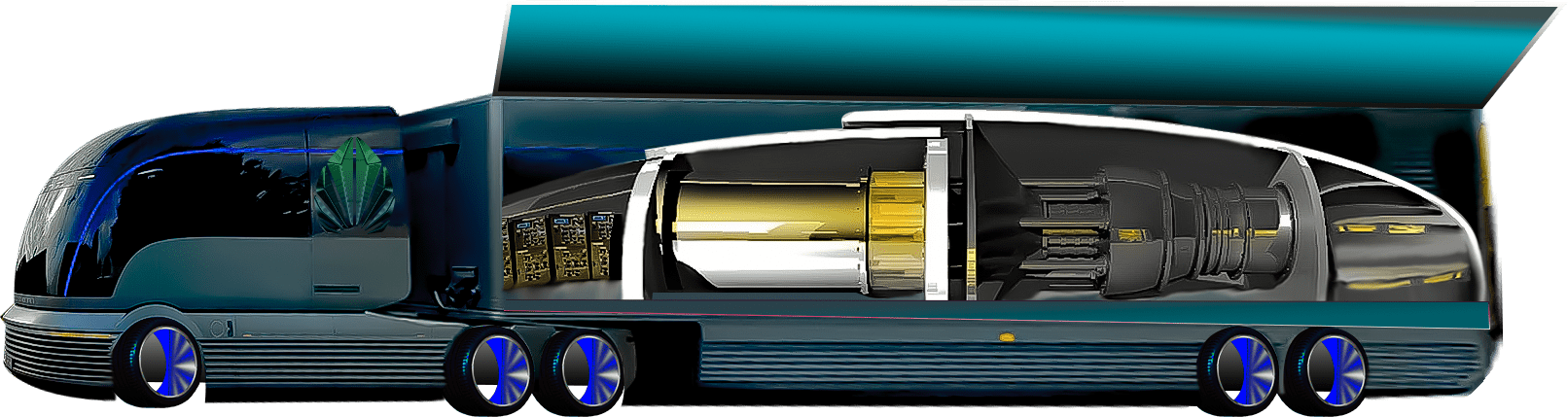
AVIS with nano powder kinetic fusion 3D printing and the teams of graphene will be the solution of the generator manufacturing. Electric power stations in small, transportable batteries, powerful and good for traffic, aviation, and transport industry.
The AVIS Groups will work with the most modern Hanyang university in Seoul and invite local universities for finishing all the jobs and launch the industrial scale production.
AVIS power generators will be delivered in containers and at request with a housing electric truck.
3) Graphene Technology Production
GRAPHENE 3 D PRINTED
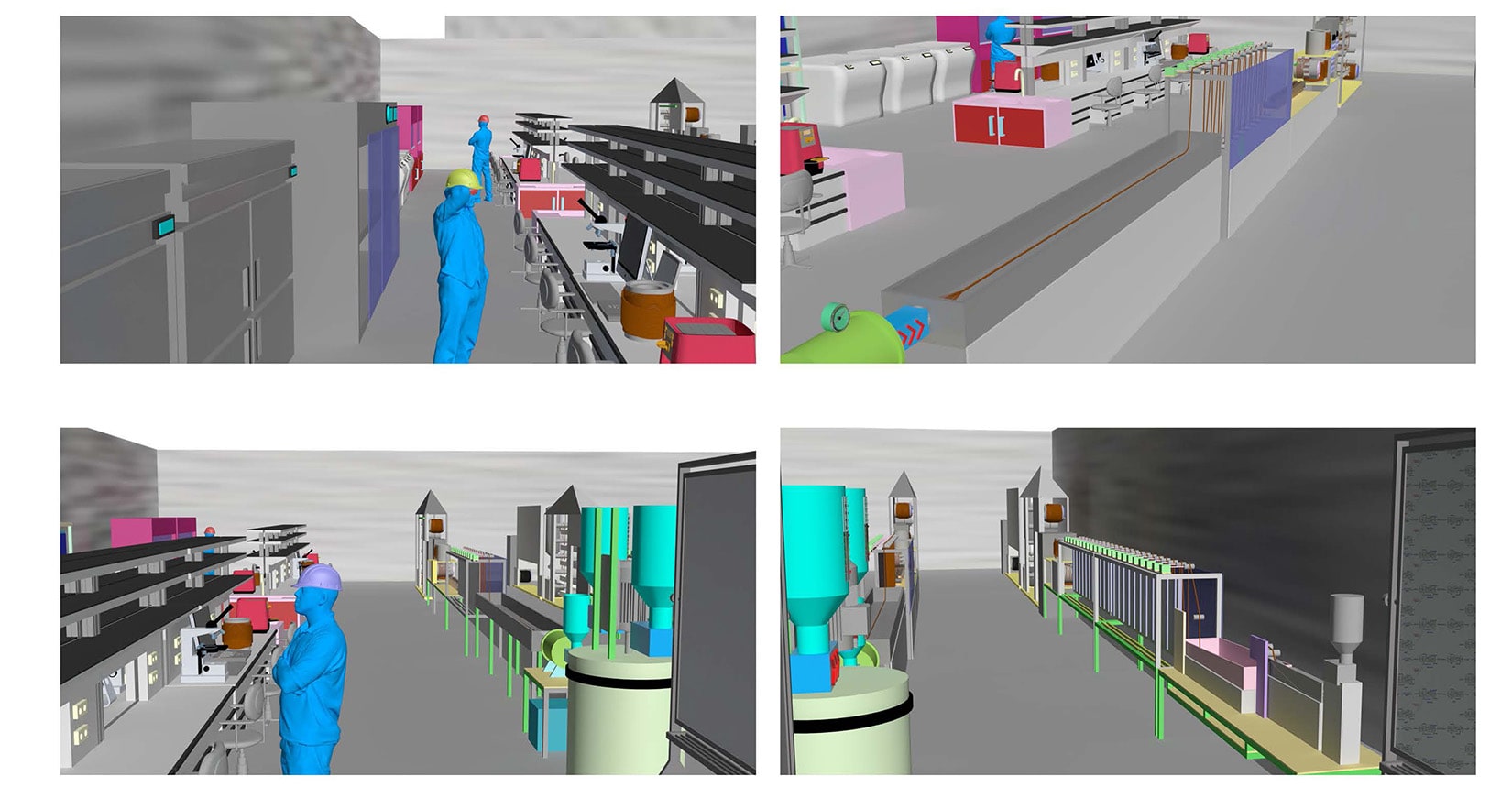
In parallel, the proprietary Graphene manufacturing unite and laboratories will be produced together with a preliminary funding of €1.000.000.000.
Graphene – a honeycomb-shaped layer of carbon really one atom thick – has the possible to revolutionize engineering materials, quicker or later enhancing many factors of our every day lives. Graphene, which consists of monolayers of carbon atoms bonded in a repeating hexagonal pattern, is the thinnest recounted material. It used to be remoted in 2004 at the University of Manchester by Andre Geim and Konstantin Novoselov, who went on to win a Nobel Prize for their discovery.
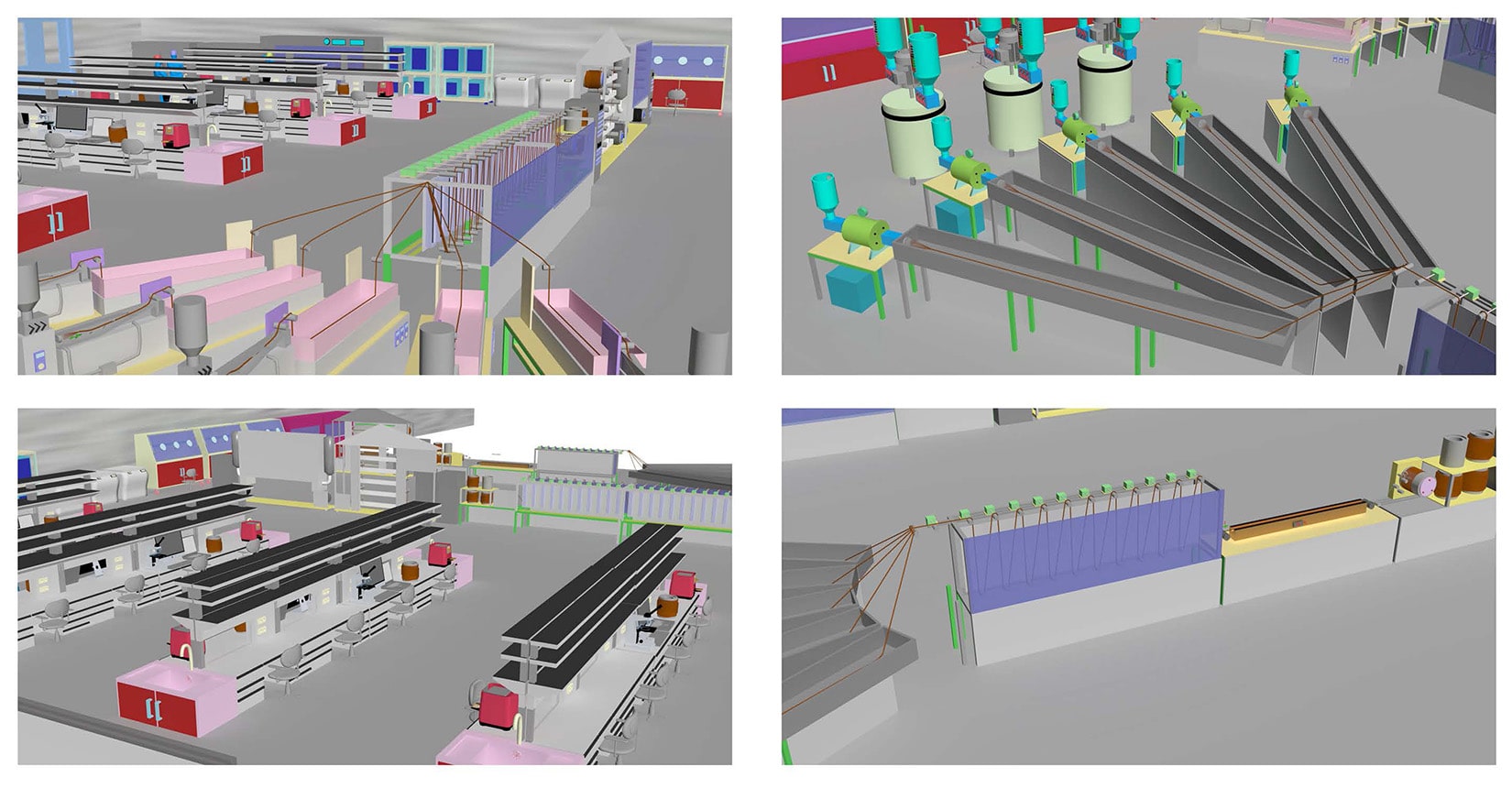
 Timetrip