Lagos
Without any shade of doubt, solid waste is currently one of the biggest environmental concerns presently experienced in the Lagos metropolis, as in many other Nigerian urban centres.

Lagos

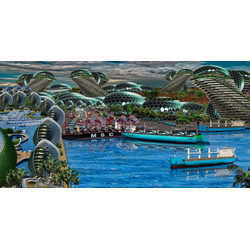
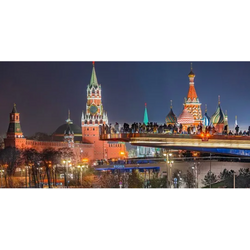
 A dream of Lagos, but the reality looks quite different.
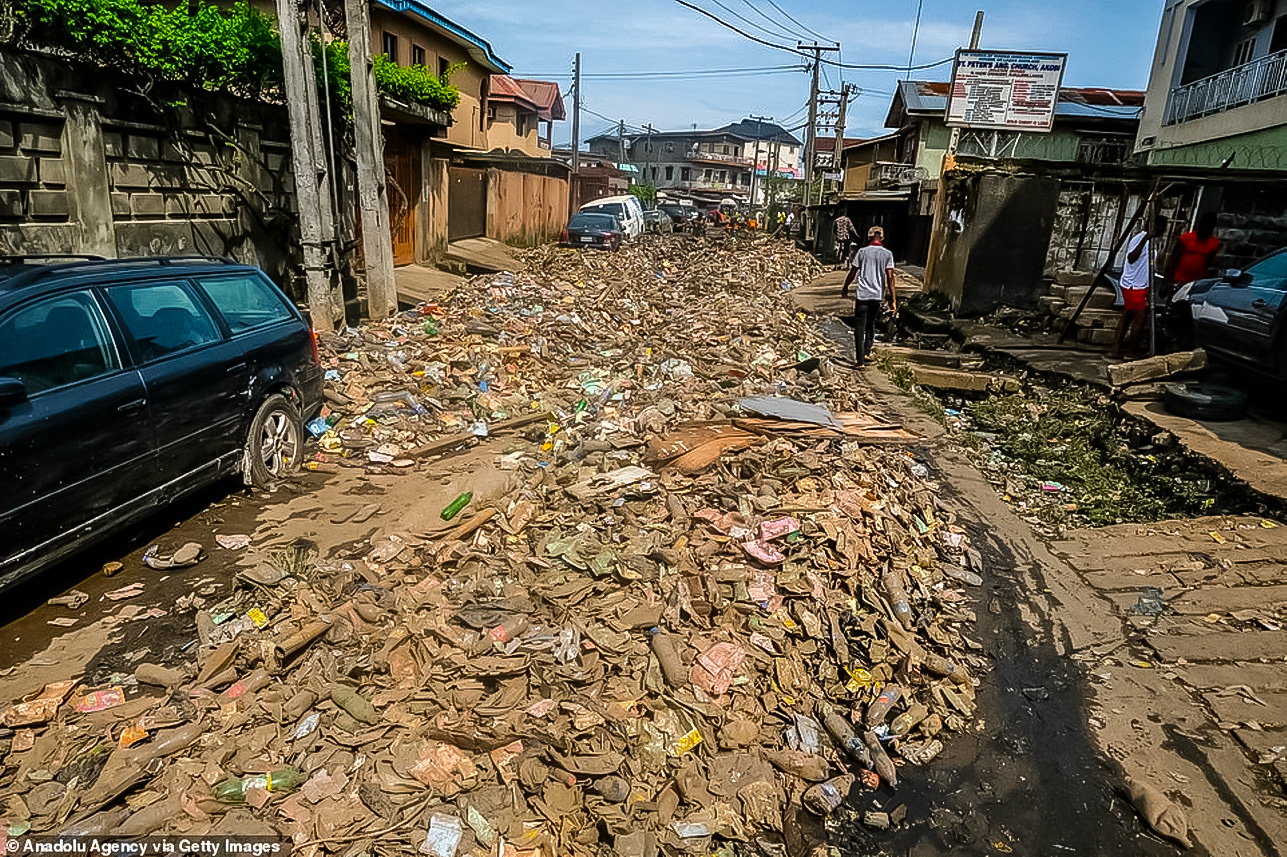
Without any shade of doubt, solid waste is currently one of the biggest environmental concerns presently experienced in the Lagos metropolis, as in many other Nigerian urban centres. There has been a constant upswing in the annual volume of solid waste generated in various cities and towns in the country. 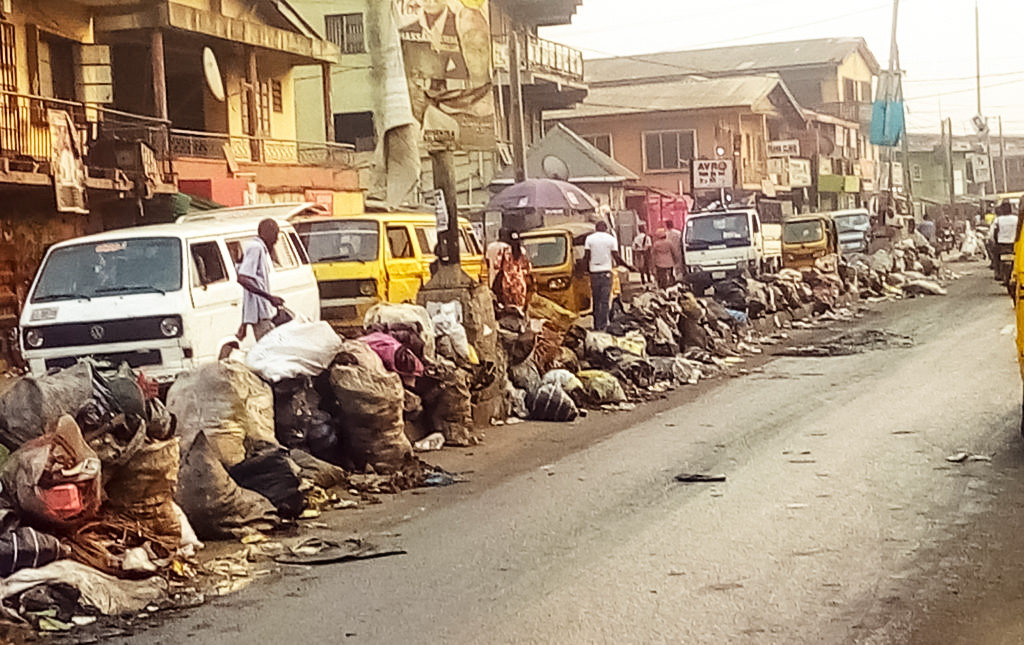 Lagos is however in the lead in the amount of solid waste generated yearly in the country.
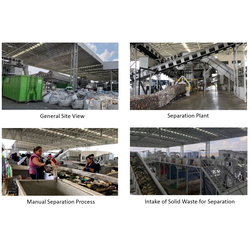
Waste Management Authority (LAWMA) is doing a yeoman’s job in solid wastes evacuation from households in Lagos. LAWMA engages, coordinates and evaluates the activities of the Private Sector Participant (PSP) in Municipal Solid Waste collection. PSP collects household waste once or twice a week. The Lagos State Government provides 240 litres bin for every household in the state. Ever, truly wondered what those you trust your wastes with do with them?
Official statement
Lagos-based waste management expert Gbenga Adebola estimates that about 50% of materials recovered from the municipal solid waste stream serve as raw materials in the form of paper, aluminium, plastic and metal for industries in Lagos and in Nigeria. He says the remaining 50% is exported to other African countries such as Ghana, Togo, Cameroon, Mali, Republic of Niger and Sudan for both industrial and personal uses.
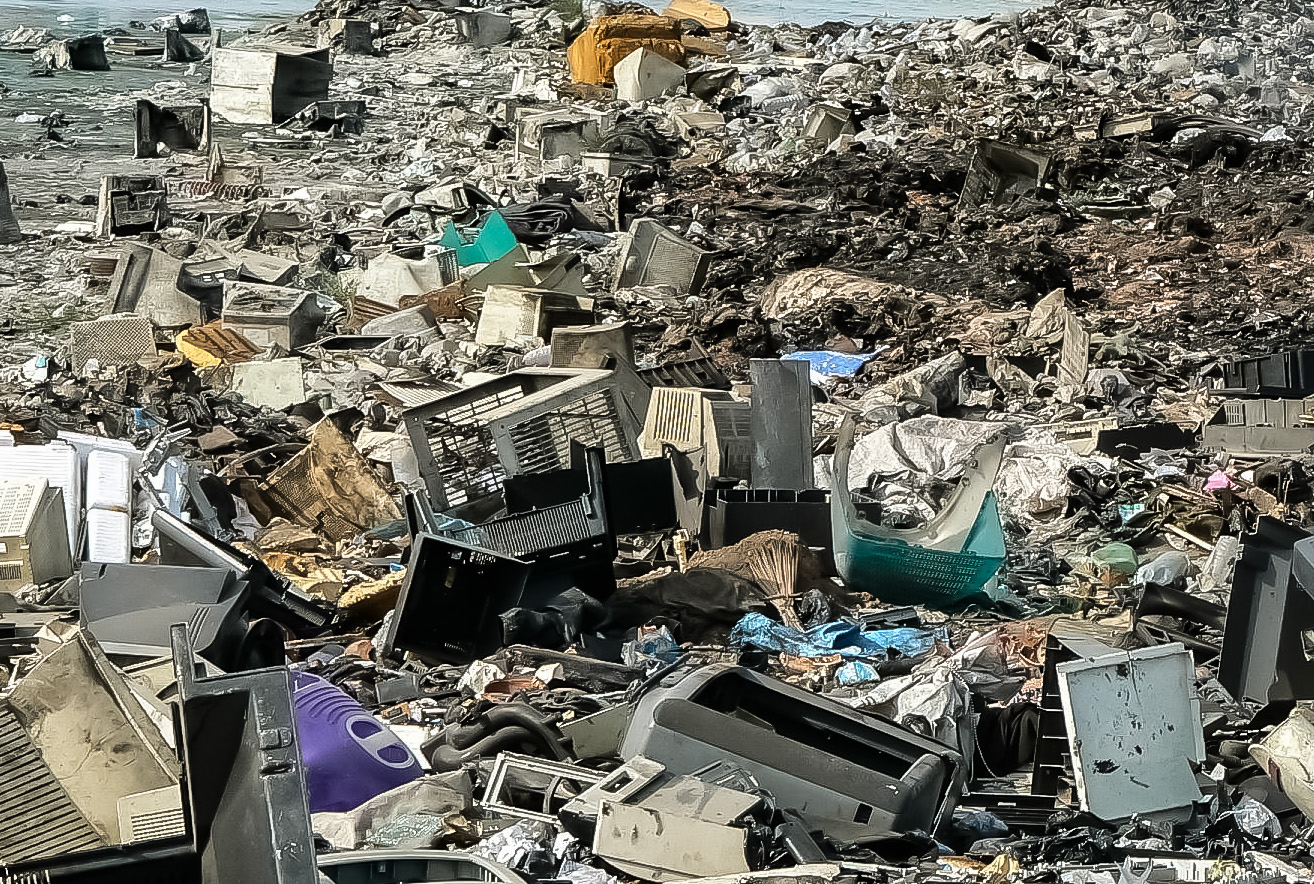 For its part, the e-waste economy in Lagos is organized around seven clusters. The clusters are Westminster market, Alaba market, Lawanson market, Ikeja Computer Village, Ojota scrap market, Solous Dumpsite and Olusosun dumpsite. They represent main sources of obsolete electrical and electronic products. Although there are also attempts at formal recycling such as LAWMA’s Recycling Village and Recycling Banks which are reported to convert about 1,200 metric tonnes of waste, the focus of this study is on the informal economy and its role in waste management in Lagos and the sub-region.
The informal waste economy of Lagos comprises over 5,000 cart pushers and also cart builders, waste pickers, resource merchants and recyclers. Thousands of waste workers reclaim enormous value from waste. At the Olusosun disposal site over a thousand waste pickers operate on the site but only about 500 are registered with the waste pickers’ association.
The waste workers have organized themselves at work, as is evident in the hierarchical structures they have created based on economic, material supply and power relations. The fact that structures have been created opens the door to policymakers being able to engage with those involved in the sector.
IN REALITY IT IS A AUTHENTIC DISASTER
We conclude from our research that there is a need to scale up the performance of the waste economy. But this requires the city of Lagos to step in the areas of legislative and policy reform.
 AVIS stated in 2007 to launch its waste technology. However, the established corrupt clusters around the waste management business has been successfully negative acting. It is understandable about the corrupt lobbies activities. They don't want a solution. Particular not from the AVIS Group, as then their pockets gets out of income streaming.
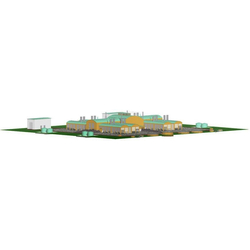
These are the particulars of the project, on hold until the right host local franchise appears
€3b will cost the first 10 Plant. In 2018 should be start production of the first facilities. The Nigerian government agreed to cover the financial requirement with sovereign debt.
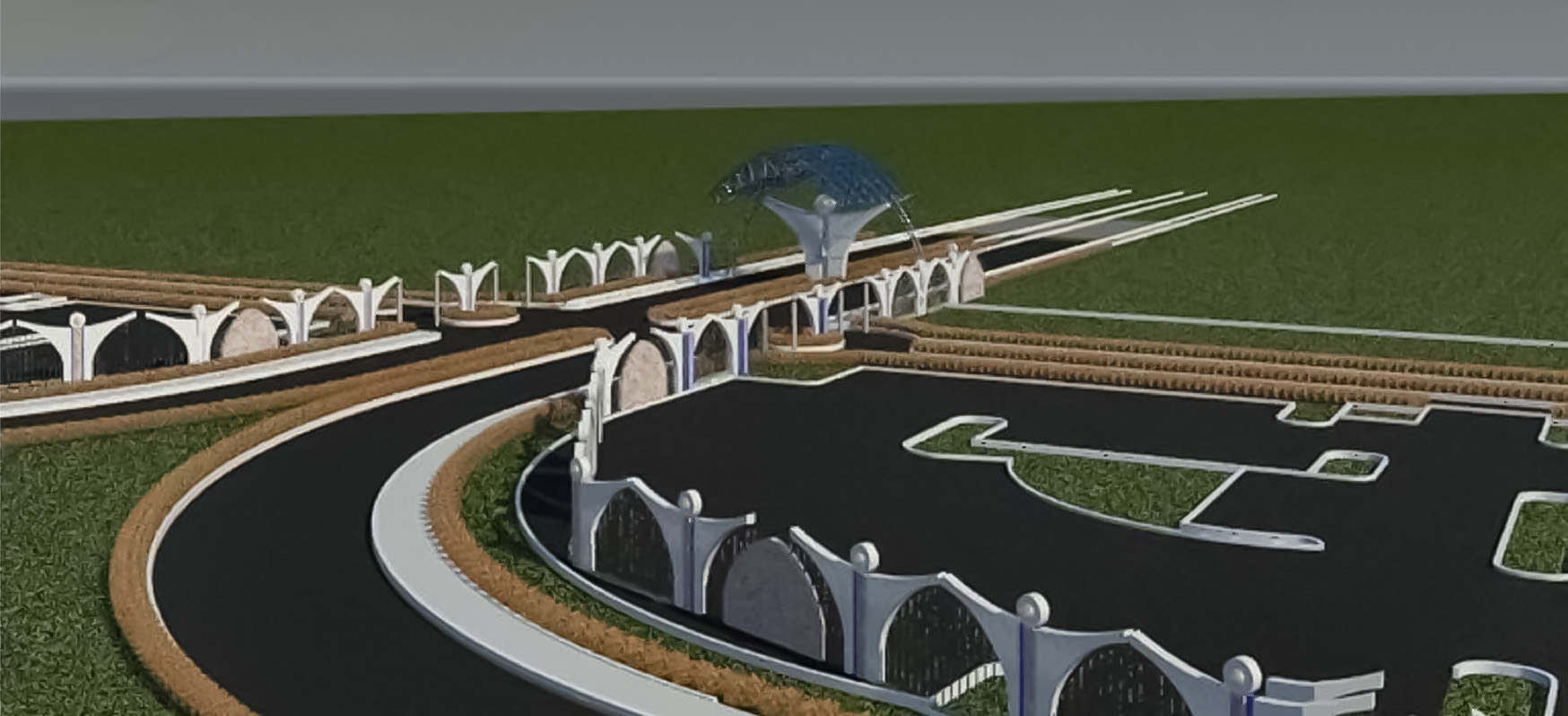
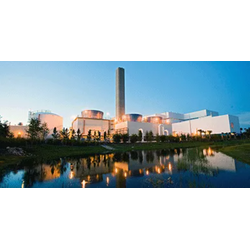
 In March 2016, finally the AVIS team began projects in Africa materializing, starting with eight Avis Global Green Energy Industrial parks in Nigeria and is now positioned to bring healthy, organic food, water, and clean energy to the population.
The turbulent political climate on the continent of Africa makes for challenging project launches, but AVIS remains steadfast in our efforts, as we strongly believe Africa is a future business centre and will be highly advanced in the coming years.
 Timetrip