
Ring Reactor Generator HMD


Please sign in so that we can notify you about a reply
Description
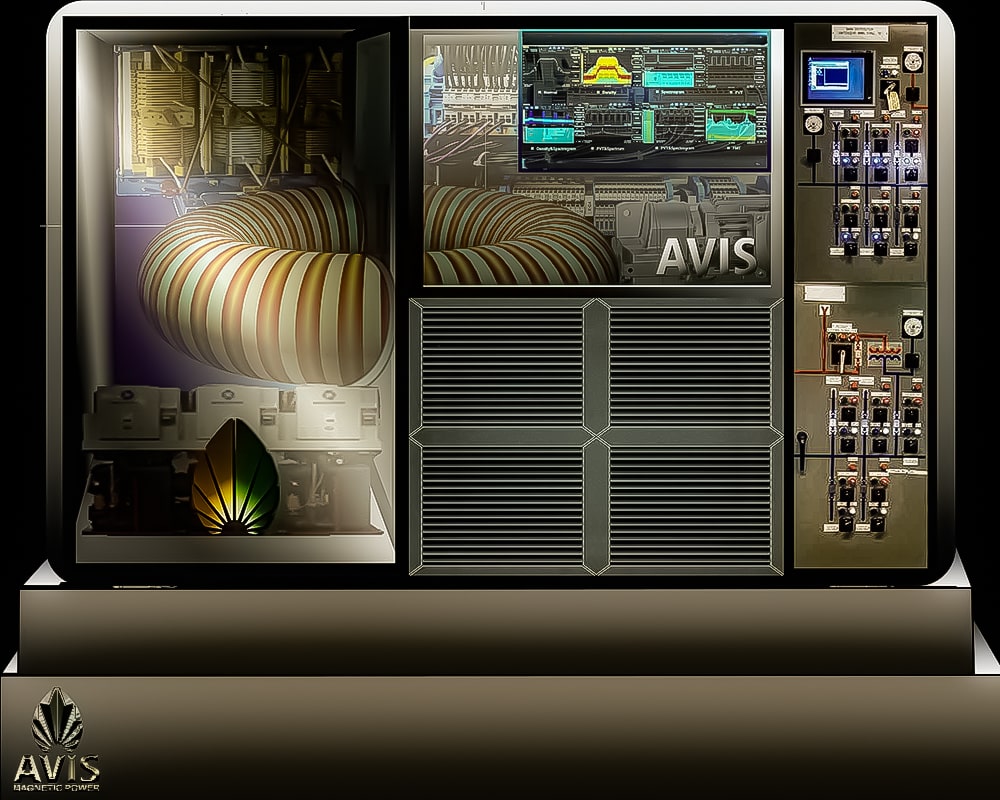
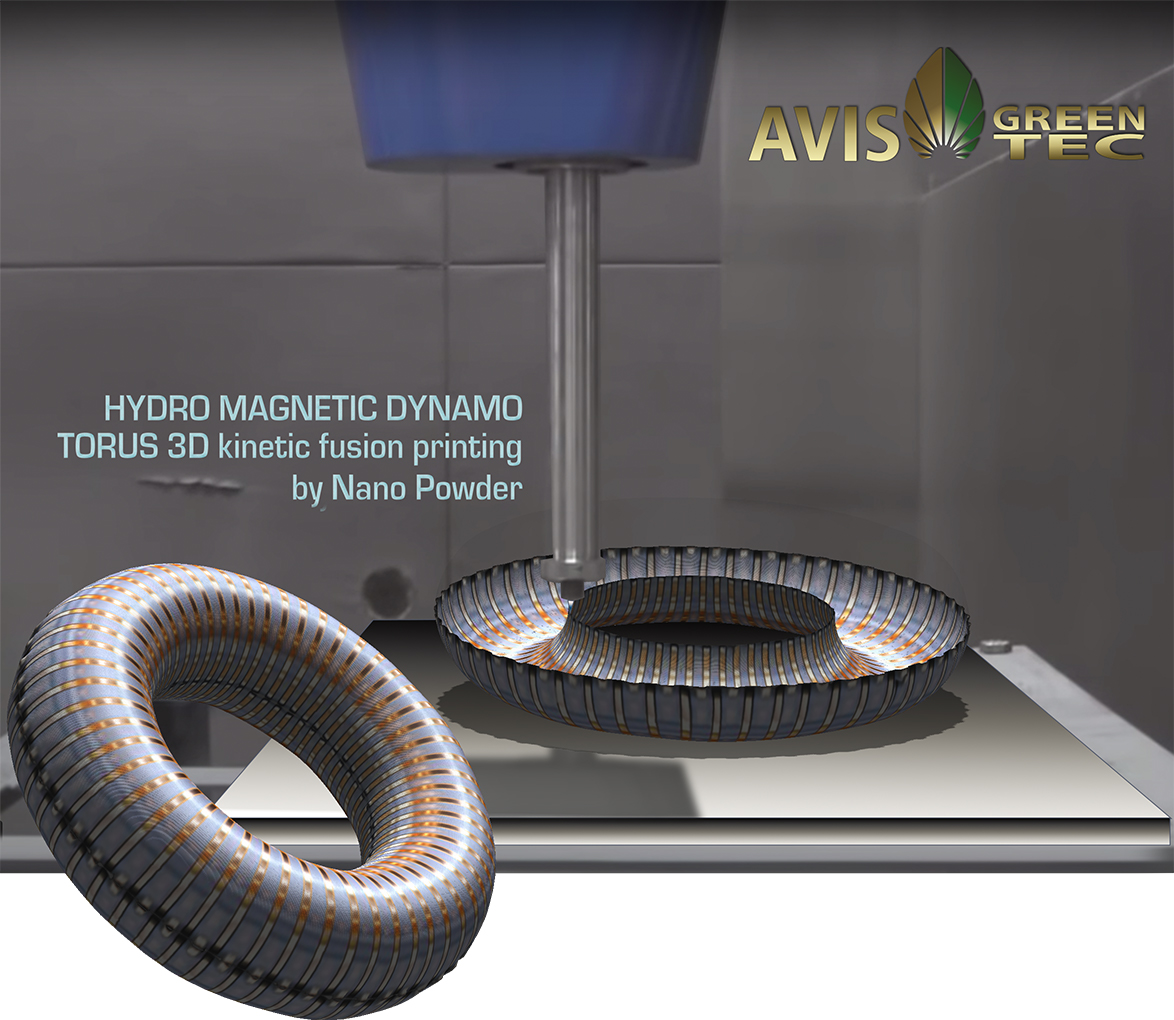
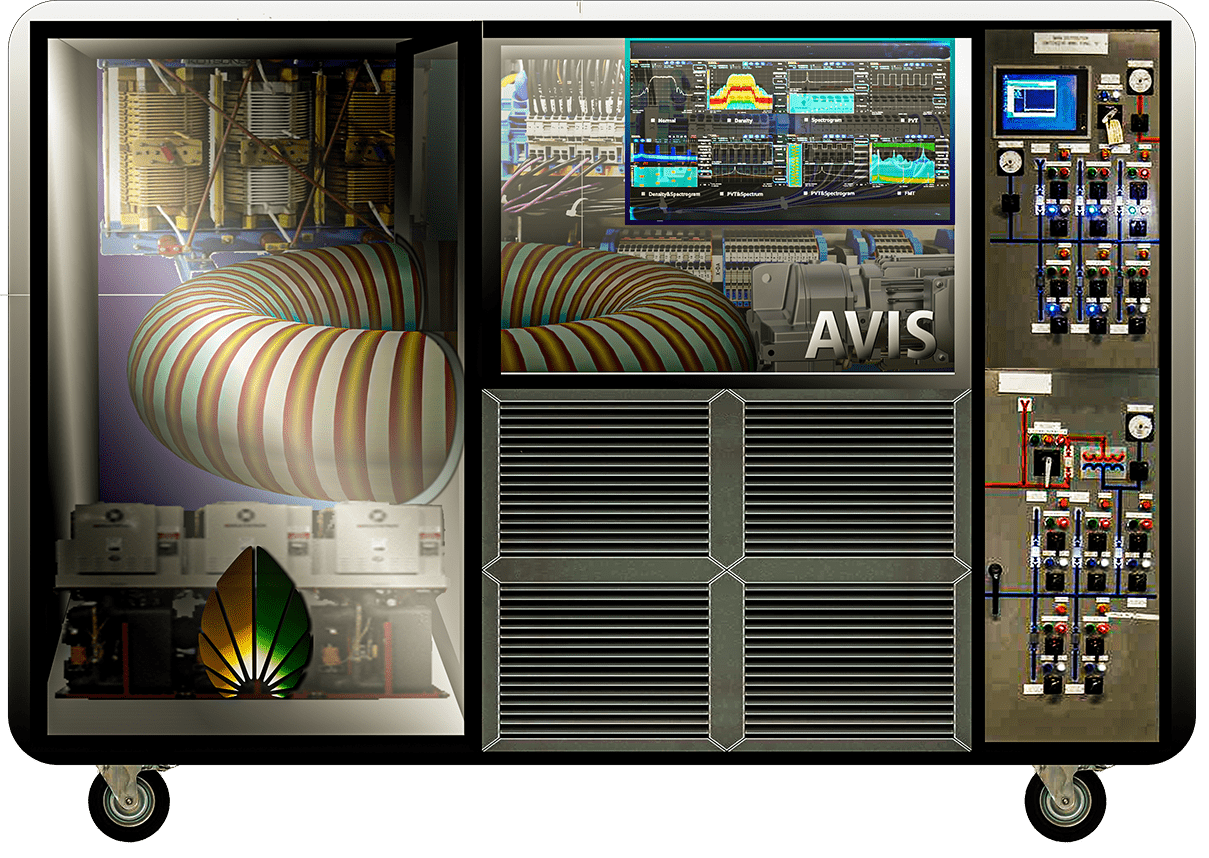
3D printed generators producing free electricity for private and industry. For traffic, aviation, and shipping industry. Read more
History
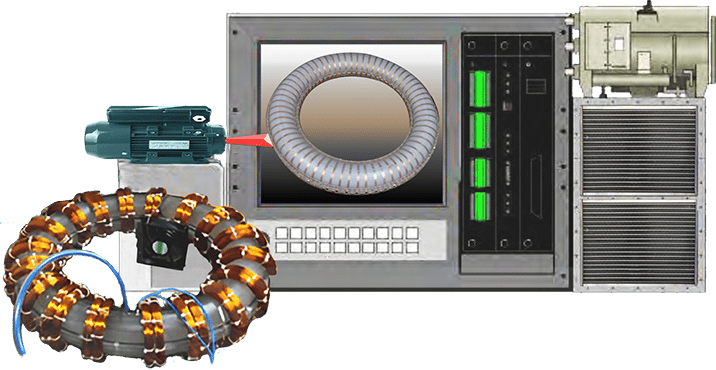
During the era of the 1980s a Russian scientist–researcher and inventor, (1936-2004), invented a device dubbed as a Hydro Magnetic Dynamo (HMD). There were three dynamo prototypes built. The first two small experimental prototypes were built in Vladivostok, Russia, in the late 1980s.
The third and last semi-industrial prototype with 2-meter diameter was built and tested for 5 years (from 1992 to 1997) with an average output of 1.5 MW and 3,000 amperes of electricity in Armenia.
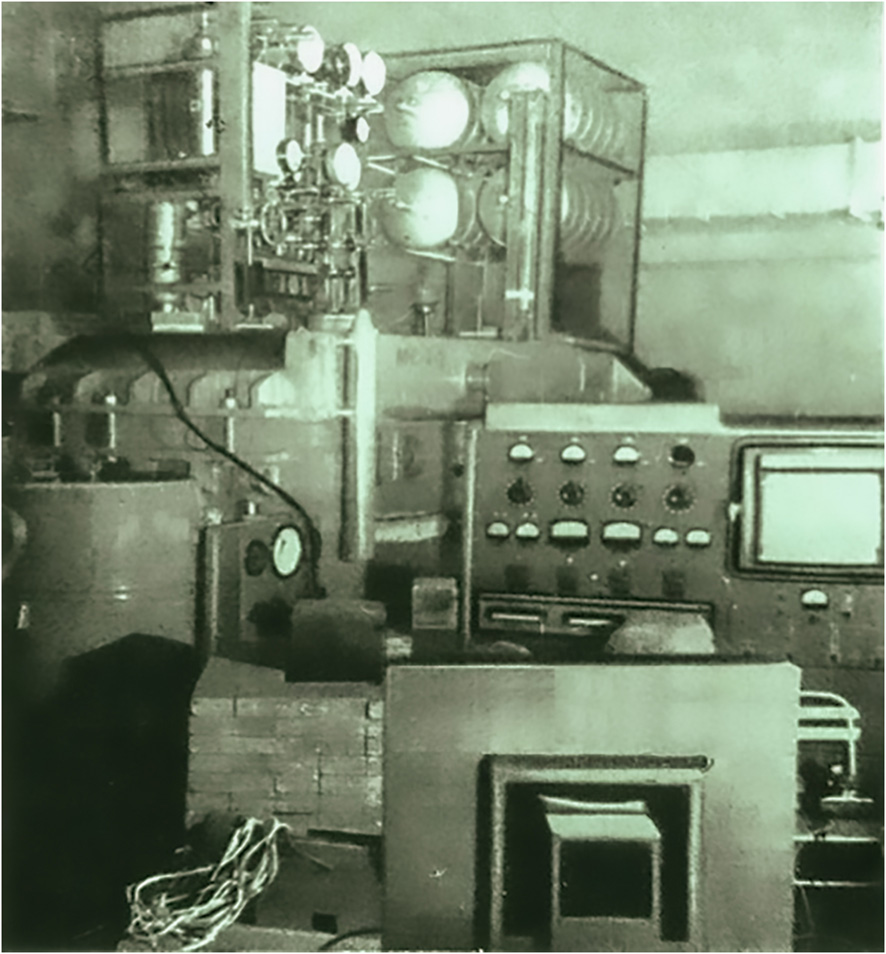 In long term tests, the HMD was run up to 8 MW electricity output.
Since the HMD from a practical perspective, no fuel and produces copious amounts of electrical power virtually for “free” with little or no maintenance for long periods of time, the Russian Oil’s elite saw this technology as a threat to their oil and gas export industry and subsequently sabotaged the project by burning down the lab and destroyed the HMD unit in a period of the local war in Armenia in 1997.
Generally, then the project has been blacklisted and been devoid of funding ever since, despite repeated and continuing efforts by the late inventor.
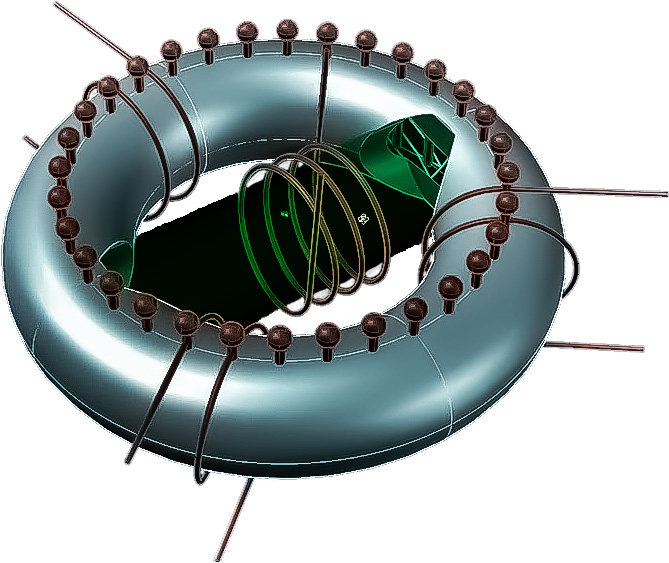 The hydro-magnetic dynamo (HMD) is a large-scaled emission-free electrical generator, which does not require external fueling. The source of the HMD’s huge electrical output is a nuclear reaction. The HMD produces alpha particles, which are helium nuclei made from fused deuterium, an isotope of hydrogen with one proton and one neutron. The electrons missing from the helium nuclei provide a copious “sink” of electricity, which provides the dynamos stability to generate an exceptional large amount of electricity. It is also known that high-density charge clusters are created in the dynamo; these clusters are the basis of plasma-injected transmutation of elements and also the neutralization of radioactive materials. Unlike hot fusion and fission reactors, the HMD does not accumulate any radioactive components.
The son of the inventor joined AVIS for reestablishing and completing the old technology by employee 3D printers and graphene. The teams are sure now to deliver a sustainable solution for building the first decentralized power grid and almost all power using technologies.